Buy norrbottensmedia.eu ?
We are moving the project
norrbottensmedia.eu .
Are you interested in purchasing the domain
norrbottensmedia.eu ?
domain@kv-gmbh.de · 0541-91531010
Buy norrbottensmedia.eu ?
What does "un kilomètre à pied ça use ça use" mean?
"Un kilomètre à pied ça use ça use" is a French saying that means "a kilometer on foot wears you out, wears you out." It is used to emphasize the physical effort and exhaustion that comes with walking long distances. The repetition of "ça use" (wears you out) emphasizes the idea that walking a long distance can be tiring. **
What is the origin of the platitude "ça va" or "comment ça va"?
The platitude "ça va" or "comment ça va" originates from the French language and is commonly used as a casual way to ask someone how they are doing. "Ça va" directly translates to "it goes" or "it's going," and is a simple way to inquire about someone's well-being. This expression has become widely used in many French-speaking regions and has been adopted in various languages around the world as a way to check in on someone's state of being. **


Similar search terms for Ça
Top-Angebote
Products related to Ça:
-
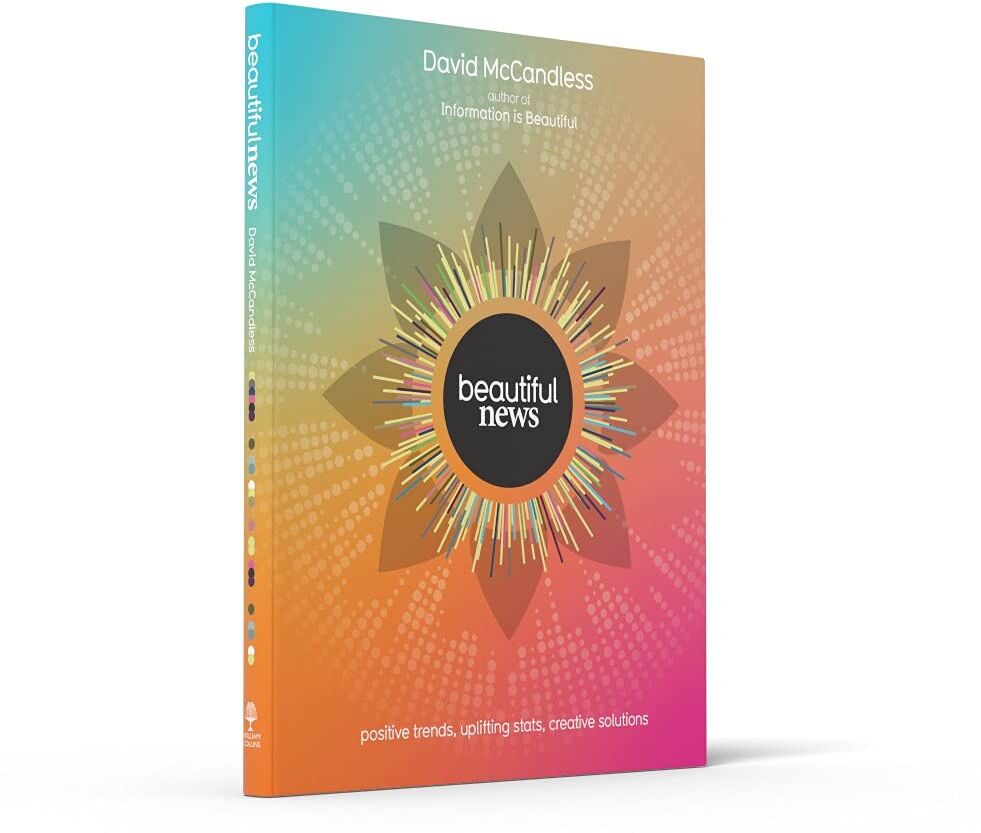
William Collins Beautiful News: Positive Trends, Uplifting Stats, Creative Solutions by David McCandlessIn this fascinating follow-up to the bestselling Information is Beautiful and Knowledge is Beautiful, the king of infographics David McCandless uses spectacular visuals to give us all a bit of good news. We are living in the Information Age, in which we are constantly bombarded with data – on television, in print and online. How can we relate to this mind-numbing overload? Enter David McCandless and his amazing infographics: simple, elegant ways to understand information too complex or abstract to grasp any way but visually. In his unique signature style, he creates dazzling displays that blend facts with their connections, contexts and relationships, making information meaningful, entertaining – and beautiful. In his highly anticipated third book, McCandless illustrates positive news from around the world, for an informative, engaging and uplifting collection of new infographic art.5,99 £*Shipping: 2,99 £Secure redirect to the provider
-
Fake News Party Card Game by Topi Games for 2-8 Players, Ages 16+Fake News is a quick-fire party card game that combines imagination, bluffing, and a straight face to create the most ridiculous story. Designed for 2–8 players aged 16 and over, it offers a lively session of around 15 minutes. Players take turns inventing absurd news stories, exaggerating the details, and trying to persuade everyone at the table that their tale deserves attention. The more creative and convincing the story, the better the chance of collecting likes and becoming the standout storyteller. With its humor-led premise and short playing time, Fake News is well suited to game nights, parties, and gatherings where players are ready to improvise. There's no need for serious reporting here; the stranger the headline, the more entertaining the result can be.12,99 £*Shipping: 1,99 £Secure redirect to the provider
-
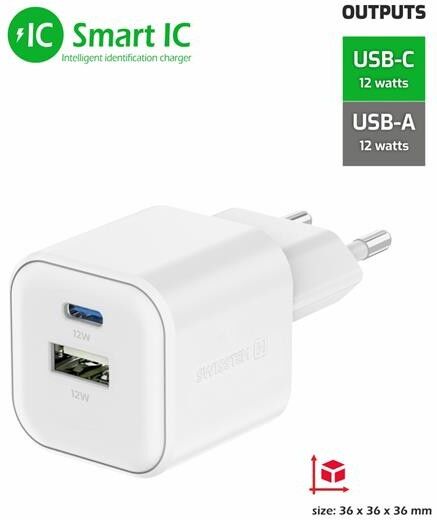
SWISSTEN 22071500 Charger Device, mobile communicationPlug Type: Schuko; Connectors/Plugs: USB, USB type-C; Charge Mode: GaN, PD; Overcharging protection: Yes; Overheating protection: Yes; Short Circuit Protection: Yes; Colour: white; Power [W]: 12; Number of inlets/outlets: 28,29 £*Shipping: 8,45 £Secure redirect to the provider

-
Is it "Comment allez-vous?" or "Ça va"?
"Comment allez-vous?" and "Ça va" are both common ways to ask someone how they are feeling in French. "Comment allez-vous?" is a more formal way to ask, while "Ça va" is a more casual and informal way to inquire about someone's well-being. Both phrases are appropriate to use depending on the context and your relationship with the person you are speaking to. **
-
What does 'ce' or 'ça' mean in French?
In French, 'ce' or 'ça' can mean 'this', 'that', 'it', or 'this one'. It is a demonstrative pronoun used to point out or refer to something specific. The choice between 'ce' and 'ça' depends on the context and the formality of the situation. **
-
What is the difference between c'est and ça?
"C'est" is a contraction of "ce" (this/it) and "est" (is), and is used to mean "it is" or "this is." It is followed by a noun or an adjective. On the other hand, "ça" is a contraction of "cela" (that) and is used as a pronoun to mean "that" or "it." It can refer to something previously mentioned or be used as a general demonstrative pronoun. **
-
What does "ce" or "ça" mean in French?
In French, "ce" or "ça" can mean "this," "that," or "it" depending on the context. They are demonstrative pronouns used to point out or refer to something specific. "Ce" is more formal and is often used before a noun, while "ça" is more informal and is used in spoken language. **

How do you respond to "ça va" in French?
In response to "ça va" in French, you can reply with "ça va bien, merci" which means "I'm doing well, thank you." Alternatively, you can say "ça va mal" if you're not doing well, which means "I'm not doing well." You can also simply respond with "ça va" to indicate that you're doing okay. **
What is the difference between c'est and ça s'est?
"C'est" is a contraction of "ce" (this/it) and "est" (is), and is used to indicate that something is or exists. For example, "C'est un chat" means "It is a cat." On the other hand, "ça s'est" is a contraction of "ça" (that) and "est" (is), and is used to indicate that something has happened or occurred. For example, "Ça s'est bien passé" means "That went well." So, the main difference is that "c'est" is used to indicate existence, while "ça s'est" is used to indicate an action or event that has occurred. **
Top-Angebote
Products related to Ça:
-
Juggernaut Publication Do Epic Shit by Ankur WarikooAnkur Warikoo is an entrepreneur and content creator whose deep, witty and brutally honest thoughts on success and failure, money and investing, self-awareness and personal relationships have made him one of India’s top personal brands. In his first book, Ankur puts together the key ideas that have fuelled his journey – one that began with him wanting to be a space engineer and ended with him creating content that has been seen and read by millions. His thoughts range from the importance of creating habits for long-term success to the foundations of money management, from embracing and accepting failure to the real truth about learning empathy. This is a book to be read, and reread, a book whose lines you will underline and think about again and again, a book you will give your family and friends and strangers. Ankur hopes for this book to become the most gifted book ever!9,99 £*Shipping: 2,99 £Secure redirect to the provider
-
Juggernaut Publication Get Epic Shit Done by Ankur WarikooDO EPIC SHIT made you think. GET EPIC SHIT DONE will make you act! When he was a college student, Ankur bought a book containing answers to the last 10 years’ question papers. That book helped him prepare for the forthcoming exams. In his second book, he attempts to create the same book for life. Written as a conversation between a student and a teacher, GET EPIC SHIT DONE answers 36 life questions that you face almost everyday, questions that you need answers to. GET EPIC SHIT DONE isn’t just a book that will inspire you – it will visibly improve the way you live.13,99 £*Shipping: 2,99 £Secure redirect to the provider
-
William Collins Beautiful News: Positive Trends, Uplifting Stats, Creative Solutions by David McCandlessIn this fascinating follow-up to the bestselling Information is Beautiful and Knowledge is Beautiful, the king of infographics David McCandless uses spectacular visuals to give us all a bit of good news. We are living in the Information Age, in which we are constantly bombarded with data – on television, in print and online. How can we relate to this mind-numbing overload? Enter David McCandless and his amazing infographics: simple, elegant ways to understand information too complex or abstract to grasp any way but visually. In his unique signature style, he creates dazzling displays that blend facts with their connections, contexts and relationships, making information meaningful, entertaining – and beautiful. In his highly anticipated third book, McCandless illustrates positive news from around the world, for an informative, engaging and uplifting collection of new infographic art.5,99 £*Shipping: 2,99 £Secure redirect to the provider
-
Fake News Party Card Game by Topi Games for 2-8 Players, Ages 16+Fake News is a quick-fire party card game that combines imagination, bluffing, and a straight face to create the most ridiculous story. Designed for 2–8 players aged 16 and over, it offers a lively session of around 15 minutes. Players take turns inventing absurd news stories, exaggerating the details, and trying to persuade everyone at the table that their tale deserves attention. The more creative and convincing the story, the better the chance of collecting likes and becoming the standout storyteller. With its humor-led premise and short playing time, Fake News is well suited to game nights, parties, and gatherings where players are ready to improvise. There's no need for serious reporting here; the stranger the headline, the more entertaining the result can be.12,99 £*Shipping: 1,99 £Secure redirect to the provider
-
What does "un kilomètre à pied ça use ça use" mean?
"Un kilomètre à pied ça use ça use" is a French saying that means "a kilometer on foot wears you out, wears you out." It is used to emphasize the physical effort and exhaustion that comes with walking long distances. The repetition of "ça use" (wears you out) emphasizes the idea that walking a long distance can be tiring. **
-
What is the origin of the platitude "ça va" or "comment ça va"?
The platitude "ça va" or "comment ça va" originates from the French language and is commonly used as a casual way to ask someone how they are doing. "Ça va" directly translates to "it goes" or "it's going," and is a simple way to inquire about someone's well-being. This expression has become widely used in many French-speaking regions and has been adopted in various languages around the world as a way to check in on someone's state of being. **
-
Is it "Comment allez-vous?" or "Ça va"?
"Comment allez-vous?" and "Ça va" are both common ways to ask someone how they are feeling in French. "Comment allez-vous?" is a more formal way to ask, while "Ça va" is a more casual and informal way to inquire about someone's well-being. Both phrases are appropriate to use depending on the context and your relationship with the person you are speaking to. **
-
What does 'ce' or 'ça' mean in French?
In French, 'ce' or 'ça' can mean 'this', 'that', 'it', or 'this one'. It is a demonstrative pronoun used to point out or refer to something specific. The choice between 'ce' and 'ça' depends on the context and the formality of the situation. **
Similar search terms for Ça
-
SWISSTEN 22071500 Charger Device, mobile communicationPlug Type: Schuko; Connectors/Plugs: USB, USB type-C; Charge Mode: GaN, PD; Overcharging protection: Yes; Overheating protection: Yes; Short Circuit Protection: Yes; Colour: white; Power [W]: 12; Number of inlets/outlets: 28,29 £*Shipping: 8,45 £Secure redirect to the provider
-
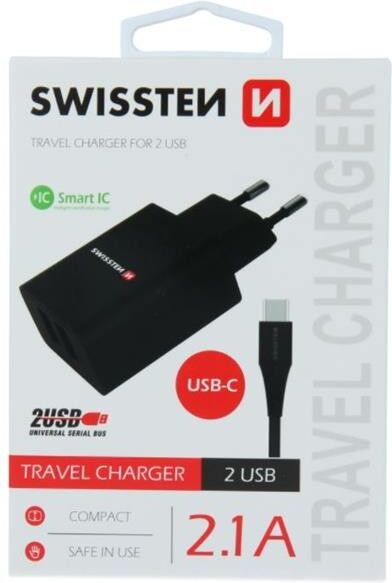
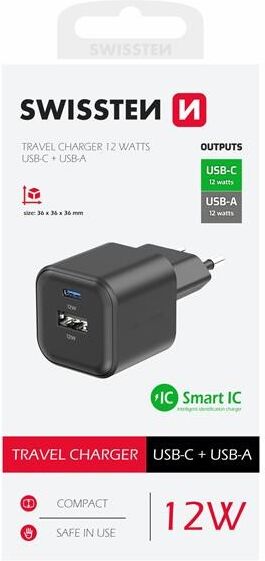
SWISSTEN 22071510 Charger Device, mobile communicationPlug Type: Schuko; Connectors/Plugs: USB type-C, USB; Charge Mode: GaN, PD; Overcharging protection: Yes; Overheating protection: Yes; Short Circuit Protection: Yes; Colour: black; Number of inlets/outlets: 2; Power [W]: 128,29 £*Shipping: 8,45 £Secure redirect to the provider
-
What is the difference between c'est and ça?
"C'est" is a contraction of "ce" (this/it) and "est" (is), and is used to mean "it is" or "this is." It is followed by a noun or an adjective. On the other hand, "ça" is a contraction of "cela" (that) and is used as a pronoun to mean "that" or "it." It can refer to something previously mentioned or be used as a general demonstrative pronoun. **
-
What does "ce" or "ça" mean in French?
In French, "ce" or "ça" can mean "this," "that," or "it" depending on the context. They are demonstrative pronouns used to point out or refer to something specific. "Ce" is more formal and is often used before a noun, while "ça" is more informal and is used in spoken language. **
-
How do you respond to "ça va" in French?
In response to "ça va" in French, you can reply with "ça va bien, merci" which means "I'm doing well, thank you." Alternatively, you can say "ça va mal" if you're not doing well, which means "I'm not doing well." You can also simply respond with "ça va" to indicate that you're doing okay. **
-
What is the difference between c'est and ça s'est?
"C'est" is a contraction of "ce" (this/it) and "est" (is), and is used to indicate that something is or exists. For example, "C'est un chat" means "It is a cat." On the other hand, "ça s'est" is a contraction of "ça" (that) and "est" (is), and is used to indicate that something has happened or occurred. For example, "Ça s'est bien passé" means "That went well." So, the main difference is that "c'est" is used to indicate existence, while "ça s'est" is used to indicate an action or event that has occurred. **
* All prices are inclusive of VAT and, if applicable, plus shipping costs. The offer information is based on the details provided by the respective shop and is updated through automated processes. Real-time updates do not occur, so deviations can occur in individual cases. ** Note: Parts of this content were created by AI.