Buy norrbottensmedia.eu ?
We are moving the project
norrbottensmedia.eu .
Are you interested in purchasing the domain
norrbottensmedia.eu ?
domain@kv-gmbh.de · 0541-91531010
Buy norrbottensmedia.eu ?
At what salinity is water drinkable?
Water is considered drinkable when it has a salinity level of less than 500 mg/L (milligrams per liter). This level of salinity is generally safe for human consumption and does not pose any health risks. Water with higher salinity levels may taste salty and can have a laxative effect if consumed in large quantities. **
At what salinity level is water drinkable?
Water is considered drinkable when it has a salinity level of less than 500 mg/L (milligrams per liter). This level of salinity is considered safe for human consumption and does not pose any health risks. Higher levels of salinity can make water taste salty and can have negative effects on the body if consumed in large quantities. **

Similar search terms for Salinity
Top-Angebote
Products related to Salinity:
-
Juggernaut Publication Get Epic Shit Done by Ankur WarikooDO EPIC SHIT made you think. GET EPIC SHIT DONE will make you act! When he was a college student, Ankur bought a book containing answers to the last 10 years’ question papers. That book helped him prepare for the forthcoming exams. In his second book, he attempts to create the same book for life. Written as a conversation between a student and a teacher, GET EPIC SHIT DONE answers 36 life questions that you face almost everyday, questions that you need answers to. GET EPIC SHIT DONE isn’t just a book that will inspire you – it will visibly improve the way you live.13,99 £*Shipping: 2,99 £Secure redirect to the provider
-
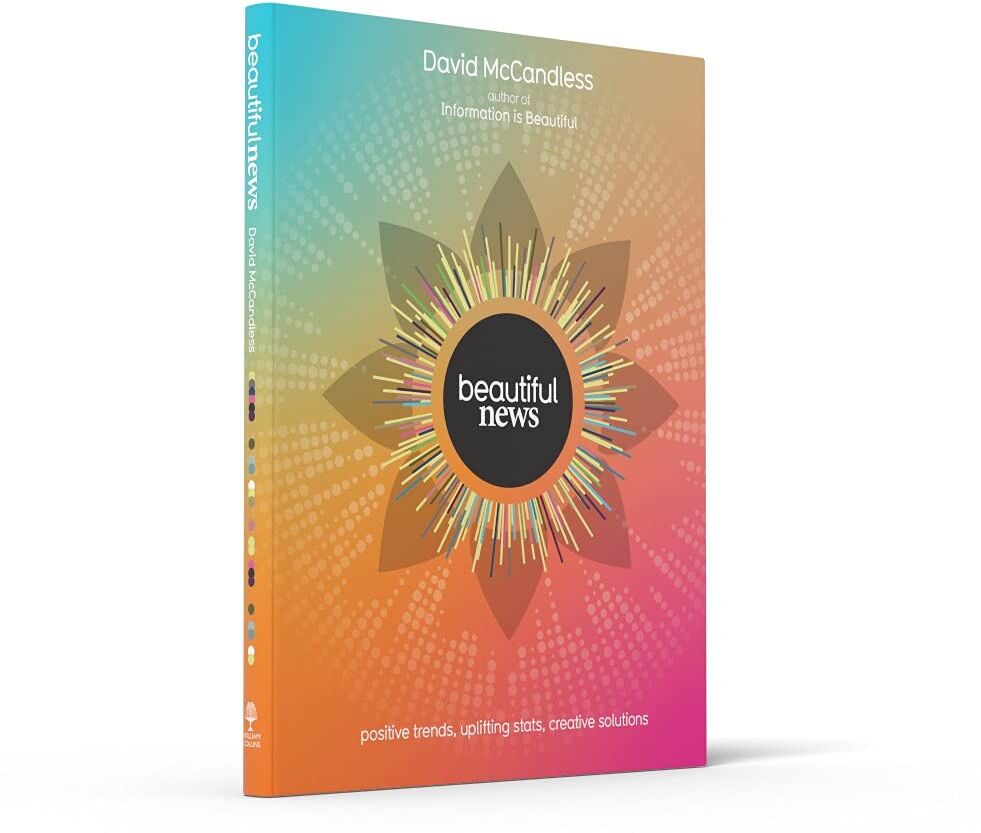
William Collins Beautiful News: Positive Trends, Uplifting Stats, Creative Solutions by David McCandlessIn this fascinating follow-up to the bestselling Information is Beautiful and Knowledge is Beautiful, the king of infographics David McCandless uses spectacular visuals to give us all a bit of good news. We are living in the Information Age, in which we are constantly bombarded with data – on television, in print and online. How can we relate to this mind-numbing overload? Enter David McCandless and his amazing infographics: simple, elegant ways to understand information too complex or abstract to grasp any way but visually. In his unique signature style, he creates dazzling displays that blend facts with their connections, contexts and relationships, making information meaningful, entertaining – and beautiful. In his highly anticipated third book, McCandless illustrates positive news from around the world, for an informative, engaging and uplifting collection of new infographic art.5,99 £*Shipping: 2,99 £Secure redirect to the provider



-
Why do oceans have different levels of salinity?
Oceans have different levels of salinity due to a variety of factors. One major factor is the amount of freshwater input from rivers, precipitation, and melting ice. Areas with high freshwater input tend to have lower salinity levels, while areas with high evaporation rates and limited freshwater input have higher salinity levels. Additionally, ocean currents can also play a role in distributing and mixing saltwater, leading to variations in salinity levels across different regions of the ocean. Finally, the temperature of the water can also affect salinity, as warmer water can hold more salt than colder water. **
-
What can one study in the field of fashion journalism and media communication at AMD?
At AMD, one can study a range of topics in the field of fashion journalism and media communication. This may include courses on fashion writing, editorial styling, digital media, visual communication, trend forecasting, and fashion marketing. Students may also learn about the history and theory of fashion, as well as the role of media in shaping and communicating fashion trends. Additionally, they may have the opportunity to gain practical experience through internships and industry collaborations. Overall, the program at AMD provides a comprehensive education in both the creative and business aspects of fashion journalism and media communication. **
-
Could very many artificial freshwater lakes possibly have an impact on the salinity of the seas?
Yes, the creation of very many artificial freshwater lakes could potentially have an impact on the salinity of the seas. This is because the water that would have otherwise flowed into the sea is being diverted to these lakes, reducing the amount of freshwater entering the sea. As a result, the salinity of the sea could increase due to the imbalance in the water cycle. Additionally, the reduced freshwater flow into the sea could also impact the ecosystems and marine life that rely on a certain level of salinity for survival. **
-
What is the difference between communication studies and journalism?
Communication studies is a broader field that focuses on the theories and practices of human communication, including interpersonal, organizational, and mass communication. It examines the role of communication in shaping society and culture. On the other hand, journalism is a specific discipline within communication studies that focuses on gathering, analyzing, and presenting news and information to the public. Journalism often involves reporting, writing, and editing news stories for various media platforms, such as newspapers, magazines, television, and online outlets. While communication studies encompasses a wide range of communication processes and contexts, journalism is more focused on the production and dissemination of news and information. **
What are mass media and communication media?
Mass media refers to various forms of communication that reach a large audience, such as television, radio, newspapers, and magazines. Communication media, on the other hand, encompasses all the tools and platforms used to transmit information, including social media, email, and websites. Both mass media and communication media play a crucial role in disseminating information, shaping public opinion, and facilitating communication on a global scale. **
What is the difference between media and journalism?
Media refers to the various means of communication, such as television, radio, newspapers, and the internet, through which information is disseminated to the public. Journalism, on the other hand, is the practice of gathering, assessing, creating, and presenting news and information to the public through various media channels. While media encompasses a wide range of communication platforms, journalism specifically focuses on the production and dissemination of news and information. In essence, journalism is a subset of the broader concept of media. **
Top-Angebote
Products related to Salinity:
-
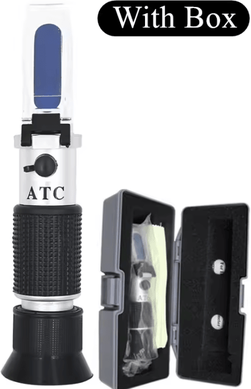
Inspire Curations Handheld Salinity Refractometer For Saltwater Aquariums with BoxMonitor saltwater conditions with confidence using this salinity refractometer designed for quick and convenient liquid testing. Its dualscale measurement allows users to check salinity from 0100 and specific gravity from 1.0001.070 SG, making...133,00 $*Shipping: 0,00 $Secure redirect to the provider
-
Juggernaut Publication Do Epic Shit by Ankur WarikooAnkur Warikoo is an entrepreneur and content creator whose deep, witty and brutally honest thoughts on success and failure, money and investing, self-awareness and personal relationships have made him one of India’s top personal brands. In his first book, Ankur puts together the key ideas that have fuelled his journey – one that began with him wanting to be a space engineer and ended with him creating content that has been seen and read by millions. His thoughts range from the importance of creating habits for long-term success to the foundations of money management, from embracing and accepting failure to the real truth about learning empathy. This is a book to be read, and reread, a book whose lines you will underline and think about again and again, a book you will give your family and friends and strangers. Ankur hopes for this book to become the most gifted book ever!9,99 £*Shipping: 2,99 £Secure redirect to the provider
-
Juggernaut Publication Get Epic Shit Done by Ankur WarikooDO EPIC SHIT made you think. GET EPIC SHIT DONE will make you act! When he was a college student, Ankur bought a book containing answers to the last 10 years’ question papers. That book helped him prepare for the forthcoming exams. In his second book, he attempts to create the same book for life. Written as a conversation between a student and a teacher, GET EPIC SHIT DONE answers 36 life questions that you face almost everyday, questions that you need answers to. GET EPIC SHIT DONE isn’t just a book that will inspire you – it will visibly improve the way you live.13,99 £*Shipping: 2,99 £Secure redirect to the provider
-
William Collins Beautiful News: Positive Trends, Uplifting Stats, Creative Solutions by David McCandlessIn this fascinating follow-up to the bestselling Information is Beautiful and Knowledge is Beautiful, the king of infographics David McCandless uses spectacular visuals to give us all a bit of good news. We are living in the Information Age, in which we are constantly bombarded with data – on television, in print and online. How can we relate to this mind-numbing overload? Enter David McCandless and his amazing infographics: simple, elegant ways to understand information too complex or abstract to grasp any way but visually. In his unique signature style, he creates dazzling displays that blend facts with their connections, contexts and relationships, making information meaningful, entertaining – and beautiful. In his highly anticipated third book, McCandless illustrates positive news from around the world, for an informative, engaging and uplifting collection of new infographic art.5,99 £*Shipping: 2,99 £Secure redirect to the provider
-
At what salinity is water drinkable?
Water is considered drinkable when it has a salinity level of less than 500 mg/L (milligrams per liter). This level of salinity is generally safe for human consumption and does not pose any health risks. Water with higher salinity levels may taste salty and can have a laxative effect if consumed in large quantities. **
-
At what salinity level is water drinkable?
Water is considered drinkable when it has a salinity level of less than 500 mg/L (milligrams per liter). This level of salinity is considered safe for human consumption and does not pose any health risks. Higher levels of salinity can make water taste salty and can have negative effects on the body if consumed in large quantities. **
-
Why do oceans have different levels of salinity?
Oceans have different levels of salinity due to a variety of factors. One major factor is the amount of freshwater input from rivers, precipitation, and melting ice. Areas with high freshwater input tend to have lower salinity levels, while areas with high evaporation rates and limited freshwater input have higher salinity levels. Additionally, ocean currents can also play a role in distributing and mixing saltwater, leading to variations in salinity levels across different regions of the ocean. Finally, the temperature of the water can also affect salinity, as warmer water can hold more salt than colder water. **
-
What can one study in the field of fashion journalism and media communication at AMD?
At AMD, one can study a range of topics in the field of fashion journalism and media communication. This may include courses on fashion writing, editorial styling, digital media, visual communication, trend forecasting, and fashion marketing. Students may also learn about the history and theory of fashion, as well as the role of media in shaping and communicating fashion trends. Additionally, they may have the opportunity to gain practical experience through internships and industry collaborations. Overall, the program at AMD provides a comprehensive education in both the creative and business aspects of fashion journalism and media communication. **
Similar search terms for Salinity
-
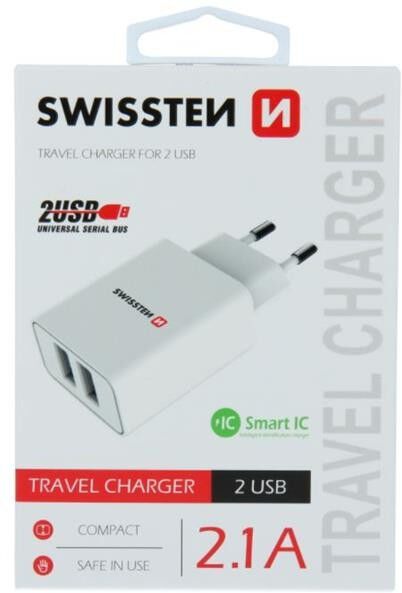
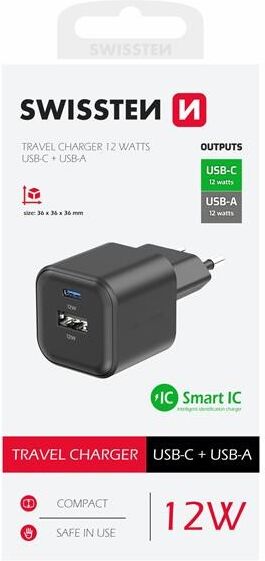
SWISSTEN 22071510 Charger Device, mobile communicationPlug Type: Schuko; Connectors/Plugs: USB type-C, USB; Charge Mode: GaN, PD; Overcharging protection: Yes; Overheating protection: Yes; Short Circuit Protection: Yes; Colour: black; Number of inlets/outlets: 2; Power [W]: 127,59 £*Shipping: 8,45 £Secure redirect to the provider
-
Could very many artificial freshwater lakes possibly have an impact on the salinity of the seas?
Yes, the creation of very many artificial freshwater lakes could potentially have an impact on the salinity of the seas. This is because the water that would have otherwise flowed into the sea is being diverted to these lakes, reducing the amount of freshwater entering the sea. As a result, the salinity of the sea could increase due to the imbalance in the water cycle. Additionally, the reduced freshwater flow into the sea could also impact the ecosystems and marine life that rely on a certain level of salinity for survival. **
-
What is the difference between communication studies and journalism?
Communication studies is a broader field that focuses on the theories and practices of human communication, including interpersonal, organizational, and mass communication. It examines the role of communication in shaping society and culture. On the other hand, journalism is a specific discipline within communication studies that focuses on gathering, analyzing, and presenting news and information to the public. Journalism often involves reporting, writing, and editing news stories for various media platforms, such as newspapers, magazines, television, and online outlets. While communication studies encompasses a wide range of communication processes and contexts, journalism is more focused on the production and dissemination of news and information. **
-
What are mass media and communication media?
Mass media refers to various forms of communication that reach a large audience, such as television, radio, newspapers, and magazines. Communication media, on the other hand, encompasses all the tools and platforms used to transmit information, including social media, email, and websites. Both mass media and communication media play a crucial role in disseminating information, shaping public opinion, and facilitating communication on a global scale. **
-
What is the difference between media and journalism?
Media refers to the various means of communication, such as television, radio, newspapers, and the internet, through which information is disseminated to the public. Journalism, on the other hand, is the practice of gathering, assessing, creating, and presenting news and information to the public through various media channels. While media encompasses a wide range of communication platforms, journalism specifically focuses on the production and dissemination of news and information. In essence, journalism is a subset of the broader concept of media. **
* All prices are inclusive of VAT and, if applicable, plus shipping costs. The offer information is based on the details provided by the respective shop and is updated through automated processes. Real-time updates do not occur, so deviations can occur in individual cases. ** Note: Parts of this content were created by AI.