Buy norrbottensmedia.eu ?
We are moving the project
norrbottensmedia.eu .
Are you interested in purchasing the domain
norrbottensmedia.eu ?
domain@kv-gmbh.de · 0541-91531010
Buy norrbottensmedia.eu ?
Has there ever been hyperinflation in Germany?
Yes, Germany experienced hyperinflation in the early 1920s, particularly in 1923. This hyperinflation was a result of the economic turmoil following World War I and the government's decision to print large amounts of money to pay off war debts. The hyperinflation led to a rapid devaluation of the German mark, causing prices to skyrocket and leading to severe economic hardship for the German people. This period of hyperinflation had a lasting impact on the country's economy and contributed to the social and political instability of the time. **
Why is no one doing anything about the hyperinflation?
There are several reasons why no one is effectively addressing hyperinflation in some countries. First, hyperinflation is often a result of deep-seated economic and political issues that are difficult to resolve quickly. Second, government corruption and mismanagement can exacerbate hyperinflation, making it challenging to implement effective policies. Third, international intervention can be limited by concerns about sovereignty and the potential for backlash from the affected country. Finally, addressing hyperinflation often requires painful economic reforms and adjustments that can be politically unpopular and difficult to implement. **


Similar search terms for Hyperinflation
Top-Angebote
Products related to Hyperinflation:
-
William Collins Beautiful News: Positive Trends, Uplifting Stats, Creative Solutions by David McCandlessIn this fascinating follow-up to the bestselling Information is Beautiful and Knowledge is Beautiful, the king of infographics David McCandless uses spectacular visuals to give us all a bit of good news. We are living in the Information Age, in which we are constantly bombarded with data – on television, in print and online. How can we relate to this mind-numbing overload? Enter David McCandless and his amazing infographics: simple, elegant ways to understand information too complex or abstract to grasp any way but visually. In his unique signature style, he creates dazzling displays that blend facts with their connections, contexts and relationships, making information meaningful, entertaining – and beautiful. In his highly anticipated third book, McCandless illustrates positive news from around the world, for an informative, engaging and uplifting collection of new infographic art.5,99 £*Shipping: 2,99 £Secure redirect to the provider



-
Will there be hyperinflation again in 2023 like in 1923?
It is unlikely that there will be hyperinflation on the scale of 1923 in 2023. The conditions that led to hyperinflation in 1923, such as war reparations and a collapse in confidence in the currency, are not present in the current global economic environment. Central banks and governments have also learned from past mistakes and have tools in place to manage inflation. However, it is important to monitor economic conditions and policies to ensure that inflation remains under control. **
-
Why is there no hyperinflation nowadays when money is being printed?
There are several reasons why there is no hyperinflation despite the increase in money supply. First, the velocity of money, or the rate at which money is exchanged for goods and services, has decreased due to the economic slowdown caused by the pandemic. This means that the newly printed money is not circulating as quickly, reducing its inflationary impact. Additionally, central banks have implemented measures to prevent excessive inflation, such as keeping interest rates low and implementing quantitative easing programs in a controlled manner. Finally, there is a lack of strong demand-pull inflationary pressures due to high unemployment and reduced consumer spending. Overall, these factors have helped to mitigate the risk of hyperinflation despite the increase in money supply. **
-
What happened in the crisis year 1923 in relation to hyperinflation?
In 1923, Germany experienced hyperinflation, which was a result of the economic turmoil following World War I. The value of the German mark plummeted, leading to skyrocketing prices for goods and services. This hyperinflation caused severe economic hardship for the German people, wiping out their savings and causing widespread poverty. The crisis was eventually stabilized with the introduction of a new currency, the Rentenmark, and the implementation of economic reforms under the Dawes Plan. **
-
How much did a loaf of bread cost during the hyperinflation?
During the hyperinflation in Germany in the early 1920s, the cost of a loaf of bread skyrocketed to astronomical levels. At the peak of hyperinflation in 1923, a loaf of bread could cost billions or even trillions of German marks. The hyperinflation was so severe that people had to carry wheelbarrows full of money just to buy basic necessities like bread. This period of hyperinflation had a devastating impact on the German economy and society. **
Are we facing another hyperinflation? What would be necessary for that to happen?
It is difficult to predict whether we are facing another hyperinflation as it depends on various economic factors. Hyperinflation occurs when there is a rapid and uncontrollable increase in the prices of goods and services. This can happen if there is a significant increase in the money supply without a corresponding increase in the production of goods and services, leading to a decrease in the value of the currency. To prevent hyperinflation, central banks need to carefully manage the money supply and ensure that it is in line with the overall economic growth. **
What to do when the stock market crash with hyperinflation is coming soon?
When facing the possibility of a stock market crash with hyperinflation on the horizon, it's important to take proactive steps to protect your investments and financial well-being. Consider diversifying your portfolio by investing in assets that historically perform well during periods of hyperinflation, such as precious metals or real estate. It's also wise to have a well-thought-out financial plan in place, which may include reducing debt, increasing emergency savings, and potentially hedging against inflation through investments in commodities or inflation-protected securities. Additionally, staying informed about economic indicators and seeking guidance from financial professionals can help you make informed decisions during uncertain times. **
Top-Angebote
Products related to Hyperinflation:
-
Juggernaut Publication Do Epic Shit by Ankur WarikooAnkur Warikoo is an entrepreneur and content creator whose deep, witty and brutally honest thoughts on success and failure, money and investing, self-awareness and personal relationships have made him one of India’s top personal brands. In his first book, Ankur puts together the key ideas that have fuelled his journey – one that began with him wanting to be a space engineer and ended with him creating content that has been seen and read by millions. His thoughts range from the importance of creating habits for long-term success to the foundations of money management, from embracing and accepting failure to the real truth about learning empathy. This is a book to be read, and reread, a book whose lines you will underline and think about again and again, a book you will give your family and friends and strangers. Ankur hopes for this book to become the most gifted book ever!9,99 £*Shipping: 2,99 £Secure redirect to the provider
-
Juggernaut Publication Get Epic Shit Done by Ankur WarikooDO EPIC SHIT made you think. GET EPIC SHIT DONE will make you act! When he was a college student, Ankur bought a book containing answers to the last 10 years’ question papers. That book helped him prepare for the forthcoming exams. In his second book, he attempts to create the same book for life. Written as a conversation between a student and a teacher, GET EPIC SHIT DONE answers 36 life questions that you face almost everyday, questions that you need answers to. GET EPIC SHIT DONE isn’t just a book that will inspire you – it will visibly improve the way you live.13,99 £*Shipping: 2,99 £Secure redirect to the provider
-
William Collins Beautiful News: Positive Trends, Uplifting Stats, Creative Solutions by David McCandlessIn this fascinating follow-up to the bestselling Information is Beautiful and Knowledge is Beautiful, the king of infographics David McCandless uses spectacular visuals to give us all a bit of good news. We are living in the Information Age, in which we are constantly bombarded with data – on television, in print and online. How can we relate to this mind-numbing overload? Enter David McCandless and his amazing infographics: simple, elegant ways to understand information too complex or abstract to grasp any way but visually. In his unique signature style, he creates dazzling displays that blend facts with their connections, contexts and relationships, making information meaningful, entertaining – and beautiful. In his highly anticipated third book, McCandless illustrates positive news from around the world, for an informative, engaging and uplifting collection of new infographic art.5,99 £*Shipping: 2,99 £Secure redirect to the provider
-
Has there ever been hyperinflation in Germany?
Yes, Germany experienced hyperinflation in the early 1920s, particularly in 1923. This hyperinflation was a result of the economic turmoil following World War I and the government's decision to print large amounts of money to pay off war debts. The hyperinflation led to a rapid devaluation of the German mark, causing prices to skyrocket and leading to severe economic hardship for the German people. This period of hyperinflation had a lasting impact on the country's economy and contributed to the social and political instability of the time. **
-
Why is no one doing anything about the hyperinflation?
There are several reasons why no one is effectively addressing hyperinflation in some countries. First, hyperinflation is often a result of deep-seated economic and political issues that are difficult to resolve quickly. Second, government corruption and mismanagement can exacerbate hyperinflation, making it challenging to implement effective policies. Third, international intervention can be limited by concerns about sovereignty and the potential for backlash from the affected country. Finally, addressing hyperinflation often requires painful economic reforms and adjustments that can be politically unpopular and difficult to implement. **
-
Will there be hyperinflation again in 2023 like in 1923?
It is unlikely that there will be hyperinflation on the scale of 1923 in 2023. The conditions that led to hyperinflation in 1923, such as war reparations and a collapse in confidence in the currency, are not present in the current global economic environment. Central banks and governments have also learned from past mistakes and have tools in place to manage inflation. However, it is important to monitor economic conditions and policies to ensure that inflation remains under control. **
-
Why is there no hyperinflation nowadays when money is being printed?
There are several reasons why there is no hyperinflation despite the increase in money supply. First, the velocity of money, or the rate at which money is exchanged for goods and services, has decreased due to the economic slowdown caused by the pandemic. This means that the newly printed money is not circulating as quickly, reducing its inflationary impact. Additionally, central banks have implemented measures to prevent excessive inflation, such as keeping interest rates low and implementing quantitative easing programs in a controlled manner. Finally, there is a lack of strong demand-pull inflationary pressures due to high unemployment and reduced consumer spending. Overall, these factors have helped to mitigate the risk of hyperinflation despite the increase in money supply. **
Similar search terms for Hyperinflation
-
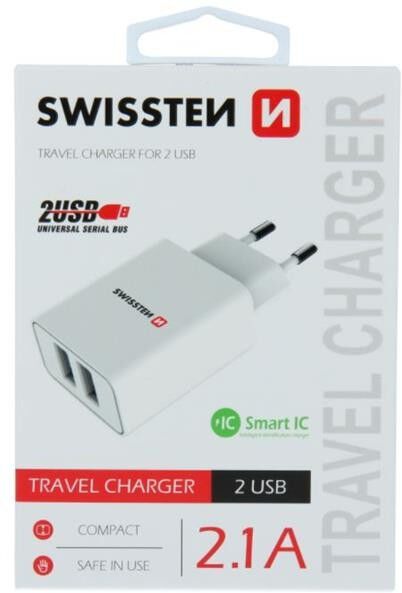
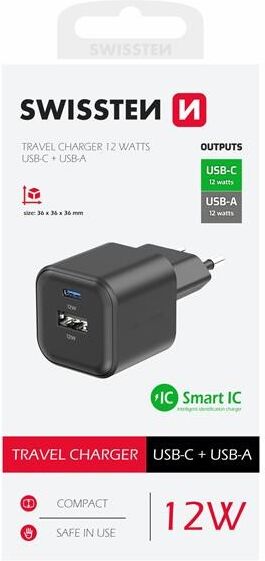
SWISSTEN 22071510 Charger Device, mobile communicationPlug Type: Schuko; Connectors/Plugs: USB type-C, USB; Charge Mode: GaN, PD; Overcharging protection: Yes; Overheating protection: Yes; Short Circuit Protection: Yes; Colour: black; Number of inlets/outlets: 2; Power [W]: 127,59 £*Shipping: 8,45 £Secure redirect to the provider
-
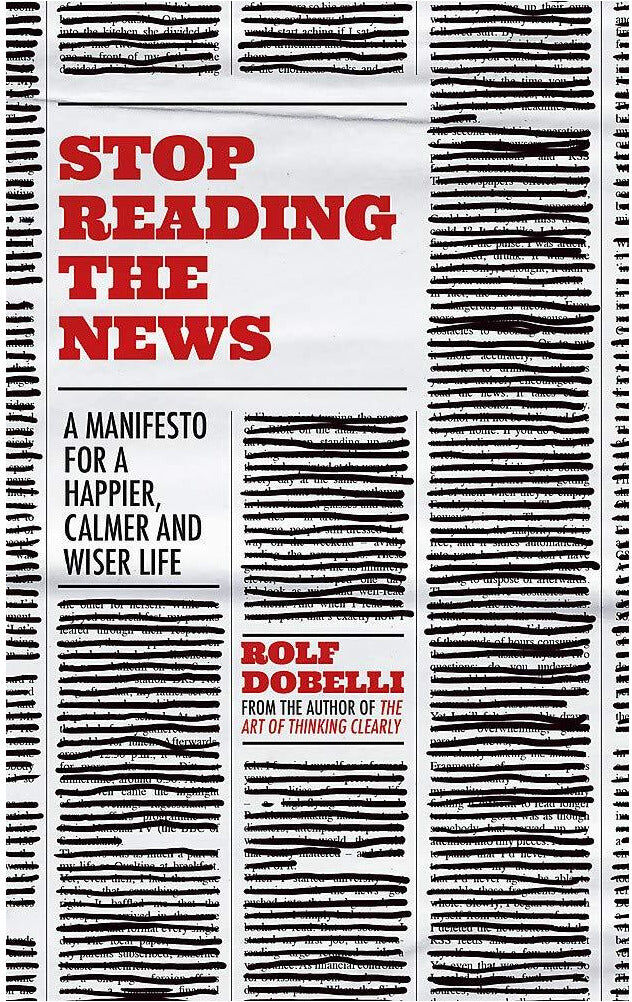
Sceptre Stop Reading the News: A Manifesto for a Happier, Calmer and Wiser Life by Rolf DobelliIn 2013 Rolf Dobelli stood in front of a roomful of journalists and proclaimed that he did not read the news. It caused a riot. Now the author of the bestselling The Art of Thinking Clearly finally sets down his philosophy in detail. And he practises what he preaches: he hasn't read the news for a decade. Stop Reading the News is Dobelli's manifesto about the dangers of the most toxic form of information - news. He shows the damage it does to our concentration and well-being, and how a misplaced sense of duty can misdirect our behaviour. Most importantly, he offers the reader the guidance on how to live without news, and the many potential gains to be had: less disruption, more time, less anxiety, more insights. In a world of increasing disruption and division, Stop Reading the News is a welcome voice of calm and wisdom.4,49 £*Shipping: 1,99 £Secure redirect to the provider
-
What happened in the crisis year 1923 in relation to hyperinflation?
In 1923, Germany experienced hyperinflation, which was a result of the economic turmoil following World War I. The value of the German mark plummeted, leading to skyrocketing prices for goods and services. This hyperinflation caused severe economic hardship for the German people, wiping out their savings and causing widespread poverty. The crisis was eventually stabilized with the introduction of a new currency, the Rentenmark, and the implementation of economic reforms under the Dawes Plan. **
-
How much did a loaf of bread cost during the hyperinflation?
During the hyperinflation in Germany in the early 1920s, the cost of a loaf of bread skyrocketed to astronomical levels. At the peak of hyperinflation in 1923, a loaf of bread could cost billions or even trillions of German marks. The hyperinflation was so severe that people had to carry wheelbarrows full of money just to buy basic necessities like bread. This period of hyperinflation had a devastating impact on the German economy and society. **
-
Are we facing another hyperinflation? What would be necessary for that to happen?
It is difficult to predict whether we are facing another hyperinflation as it depends on various economic factors. Hyperinflation occurs when there is a rapid and uncontrollable increase in the prices of goods and services. This can happen if there is a significant increase in the money supply without a corresponding increase in the production of goods and services, leading to a decrease in the value of the currency. To prevent hyperinflation, central banks need to carefully manage the money supply and ensure that it is in line with the overall economic growth. **
-
What to do when the stock market crash with hyperinflation is coming soon?
When facing the possibility of a stock market crash with hyperinflation on the horizon, it's important to take proactive steps to protect your investments and financial well-being. Consider diversifying your portfolio by investing in assets that historically perform well during periods of hyperinflation, such as precious metals or real estate. It's also wise to have a well-thought-out financial plan in place, which may include reducing debt, increasing emergency savings, and potentially hedging against inflation through investments in commodities or inflation-protected securities. Additionally, staying informed about economic indicators and seeking guidance from financial professionals can help you make informed decisions during uncertain times. **
* All prices are inclusive of VAT and, if applicable, plus shipping costs. The offer information is based on the details provided by the respective shop and is updated through automated processes. Real-time updates do not occur, so deviations can occur in individual cases. ** Note: Parts of this content were created by AI.