Buy norrbottensmedia.eu ?
We are moving the project
norrbottensmedia.eu .
Are you interested in purchasing the domain
norrbottensmedia.eu ?
domain@kv-gmbh.de · 0541-91531010
Buy norrbottensmedia.eu ?
Is Genghis Khan Turkish or Mongolian?
Genghis Khan was Mongolian. He was the founder and first Great Khan of the Mongol Empire, which was a vast empire that stretched across Asia and Europe. While there were some Turkic influences within the Mongol Empire, Genghis Khan himself was of Mongol ethnicity and his legacy is primarily associated with Mongolian history and culture. **
Which religion did Genghis Khan belong to?
Genghis Khan was a follower of Tengrism, which was a shamanistic and animistic belief system prevalent among the Mongols at that time. Tengrism involved the worship of the eternal blue sky, known as Tengri, and the belief in spirits inhabiting the natural world. Genghis Khan's religious beliefs played a significant role in shaping his worldview and his approach to governance and conquest. **


Similar search terms for Genghis
Top-Angebote
Products related to Genghis:
-
Juggernaut Publication Get Epic Shit Done by Ankur WarikooDO EPIC SHIT made you think. GET EPIC SHIT DONE will make you act! When he was a college student, Ankur bought a book containing answers to the last 10 years’ question papers. That book helped him prepare for the forthcoming exams. In his second book, he attempts to create the same book for life. Written as a conversation between a student and a teacher, GET EPIC SHIT DONE answers 36 life questions that you face almost everyday, questions that you need answers to. GET EPIC SHIT DONE isn’t just a book that will inspire you – it will visibly improve the way you live.13,99 £*Shipping: 2,99 £Secure redirect to the provider
-
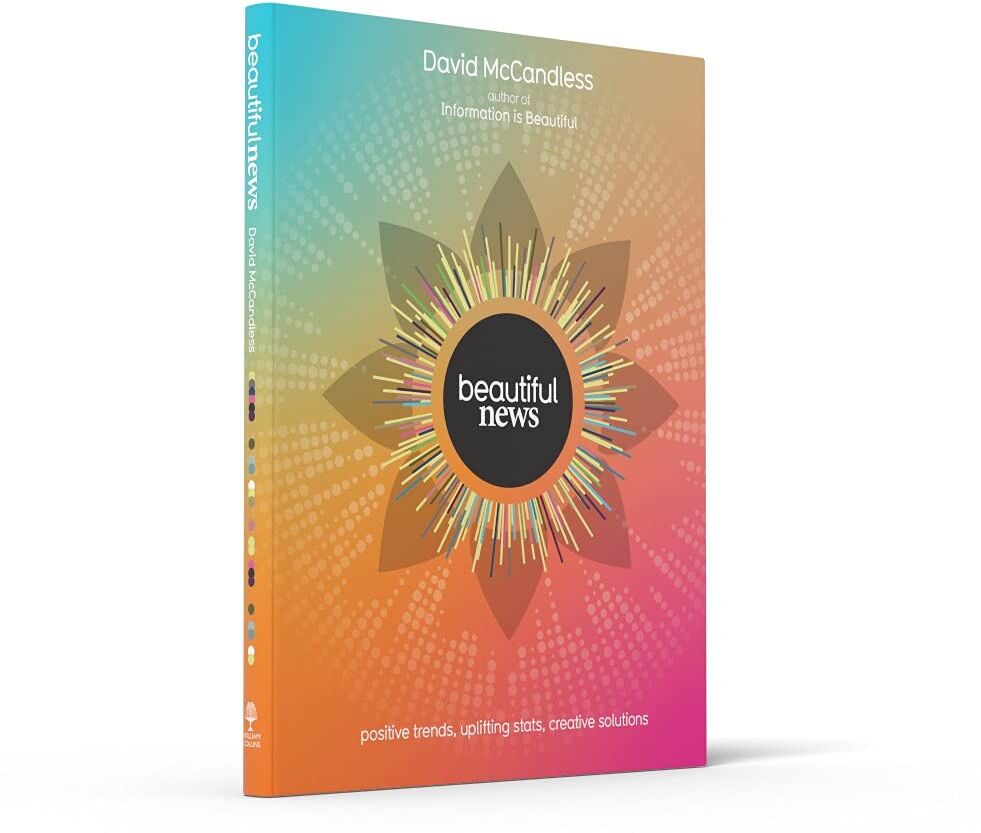
William Collins Beautiful News: Positive Trends, Uplifting Stats, Creative Solutions by David McCandlessIn this fascinating follow-up to the bestselling Information is Beautiful and Knowledge is Beautiful, the king of infographics David McCandless uses spectacular visuals to give us all a bit of good news. We are living in the Information Age, in which we are constantly bombarded with data – on television, in print and online. How can we relate to this mind-numbing overload? Enter David McCandless and his amazing infographics: simple, elegant ways to understand information too complex or abstract to grasp any way but visually. In his unique signature style, he creates dazzling displays that blend facts with their connections, contexts and relationships, making information meaningful, entertaining – and beautiful. In his highly anticipated third book, McCandless illustrates positive news from around the world, for an informative, engaging and uplifting collection of new infographic art.5,99 £*Shipping: 2,99 £Secure redirect to the provider



-
Did Genghis Khan have something against Islam?
Genghis Khan did not have a specific vendetta against Islam as a religion. His conquests were driven by a desire for power, wealth, and expansion of his empire, rather than religious motivations. While it is true that Genghis Khan's conquests resulted in the destruction of some Islamic cities and the deaths of many Muslims, this was not specifically targeted at Islam, but rather a consequence of his military campaigns and the resistance he faced from various regions and cultures. Genghis Khan was known for being relatively tolerant of different religions and cultures within his empire, and he even had Muslim advisors and officials in his court. **
-
How many children did Genghis Khan have?
Genghis Khan is believed to have had many children, with estimates ranging from 35 to over 100. He had multiple wives and concubines, which allowed him to have a large number of offspring. His children played important roles in the Mongol Empire after his death, with some of them becoming prominent leaders in their own right. **
-
Can you give me information about Genghis Khan?
Genghis Khan, born as Temüjin in the early 1160s, was the founder and first Great Khan of the Mongol Empire, which became the largest contiguous empire in history after his death. He united the nomadic tribes of Northeast Asia and led them on a series of military campaigns that resulted in the conquest of much of Asia and parts of Europe. Genghis Khan is known for his military tactics, organizational skills, and his establishment of a vast empire that had a lasting impact on world history. His descendants continued to expand the Mongol Empire after his death, shaping the course of Eurasian history for centuries. **
-
Why are Mongolian restaurants always called Genghis Khan?
Mongolian restaurants are often called Genghis Khan because he is a significant figure in Mongolian history and is widely regarded as a symbol of strength, leadership, and unity. Genghis Khan is also known for his role in creating the Mongol Empire, which had a significant impact on the development of Mongolian culture and cuisine. By naming their restaurants after Genghis Khan, Mongolian restaurant owners pay homage to their heritage and seek to evoke the spirit of strength and unity associated with the legendary leader. Additionally, using the name Genghis Khan can also help attract customers by creating a sense of authenticity and tradition. **


What is the history of Genghis Khan in Kazakhstan?
Genghis Khan, the founder of the Mongol Empire, played a significant role in the history of Kazakhstan. In the early 13th century, Genghis Khan led his Mongol army into Kazakhstan, conquering many territories and incorporating them into his empire. This conquest had a lasting impact on the region, shaping its political landscape and cultural development. Genghis Khan's descendants continued to rule over parts of Kazakhstan for several centuries, leaving a lasting legacy in the country's history. **
Was Genghis Khan a better military strategist than Sun Tzu?
It is difficult to compare the military strategies of Genghis Khan and Sun Tzu as they operated in different time periods and faced different challenges. Genghis Khan was known for his innovative tactics and ability to adapt to different terrains and enemies, while Sun Tzu's "The Art of War" is still studied and revered for its timeless principles of warfare. Both leaders were highly successful in their military campaigns, but it is ultimately subjective to determine who was the better strategist. **
Top-Angebote
Products related to Genghis:
-
Juggernaut Publication Do Epic Shit by Ankur WarikooAnkur Warikoo is an entrepreneur and content creator whose deep, witty and brutally honest thoughts on success and failure, money and investing, self-awareness and personal relationships have made him one of India’s top personal brands. In his first book, Ankur puts together the key ideas that have fuelled his journey – one that began with him wanting to be a space engineer and ended with him creating content that has been seen and read by millions. His thoughts range from the importance of creating habits for long-term success to the foundations of money management, from embracing and accepting failure to the real truth about learning empathy. This is a book to be read, and reread, a book whose lines you will underline and think about again and again, a book you will give your family and friends and strangers. Ankur hopes for this book to become the most gifted book ever!9,99 £*Shipping: 2,99 £Secure redirect to the provider
-
Juggernaut Publication Get Epic Shit Done by Ankur WarikooDO EPIC SHIT made you think. GET EPIC SHIT DONE will make you act! When he was a college student, Ankur bought a book containing answers to the last 10 years’ question papers. That book helped him prepare for the forthcoming exams. In his second book, he attempts to create the same book for life. Written as a conversation between a student and a teacher, GET EPIC SHIT DONE answers 36 life questions that you face almost everyday, questions that you need answers to. GET EPIC SHIT DONE isn’t just a book that will inspire you – it will visibly improve the way you live.13,99 £*Shipping: 2,99 £Secure redirect to the provider
-
William Collins Beautiful News: Positive Trends, Uplifting Stats, Creative Solutions by David McCandlessIn this fascinating follow-up to the bestselling Information is Beautiful and Knowledge is Beautiful, the king of infographics David McCandless uses spectacular visuals to give us all a bit of good news. We are living in the Information Age, in which we are constantly bombarded with data – on television, in print and online. How can we relate to this mind-numbing overload? Enter David McCandless and his amazing infographics: simple, elegant ways to understand information too complex or abstract to grasp any way but visually. In his unique signature style, he creates dazzling displays that blend facts with their connections, contexts and relationships, making information meaningful, entertaining – and beautiful. In his highly anticipated third book, McCandless illustrates positive news from around the world, for an informative, engaging and uplifting collection of new infographic art.5,99 £*Shipping: 2,99 £Secure redirect to the provider
-
Is Genghis Khan Turkish or Mongolian?
Genghis Khan was Mongolian. He was the founder and first Great Khan of the Mongol Empire, which was a vast empire that stretched across Asia and Europe. While there were some Turkic influences within the Mongol Empire, Genghis Khan himself was of Mongol ethnicity and his legacy is primarily associated with Mongolian history and culture. **
-
Which religion did Genghis Khan belong to?
Genghis Khan was a follower of Tengrism, which was a shamanistic and animistic belief system prevalent among the Mongols at that time. Tengrism involved the worship of the eternal blue sky, known as Tengri, and the belief in spirits inhabiting the natural world. Genghis Khan's religious beliefs played a significant role in shaping his worldview and his approach to governance and conquest. **
-
Did Genghis Khan have something against Islam?
Genghis Khan did not have a specific vendetta against Islam as a religion. His conquests were driven by a desire for power, wealth, and expansion of his empire, rather than religious motivations. While it is true that Genghis Khan's conquests resulted in the destruction of some Islamic cities and the deaths of many Muslims, this was not specifically targeted at Islam, but rather a consequence of his military campaigns and the resistance he faced from various regions and cultures. Genghis Khan was known for being relatively tolerant of different religions and cultures within his empire, and he even had Muslim advisors and officials in his court. **
-
How many children did Genghis Khan have?
Genghis Khan is believed to have had many children, with estimates ranging from 35 to over 100. He had multiple wives and concubines, which allowed him to have a large number of offspring. His children played important roles in the Mongol Empire after his death, with some of them becoming prominent leaders in their own right. **
Similar search terms for Genghis
-
SWISSTEN 22071510 Charger Device, mobile communicationPlug Type: Schuko; Connectors/Plugs: USB type-C, USB; Charge Mode: GaN, PD; Overcharging protection: Yes; Overheating protection: Yes; Short Circuit Protection: Yes; Colour: black; Number of inlets/outlets: 2; Power [W]: 127,59 £*Shipping: 8,45 £Secure redirect to the provider
-
Can you give me information about Genghis Khan?
Genghis Khan, born as Temüjin in the early 1160s, was the founder and first Great Khan of the Mongol Empire, which became the largest contiguous empire in history after his death. He united the nomadic tribes of Northeast Asia and led them on a series of military campaigns that resulted in the conquest of much of Asia and parts of Europe. Genghis Khan is known for his military tactics, organizational skills, and his establishment of a vast empire that had a lasting impact on world history. His descendants continued to expand the Mongol Empire after his death, shaping the course of Eurasian history for centuries. **
-
Why are Mongolian restaurants always called Genghis Khan?
Mongolian restaurants are often called Genghis Khan because he is a significant figure in Mongolian history and is widely regarded as a symbol of strength, leadership, and unity. Genghis Khan is also known for his role in creating the Mongol Empire, which had a significant impact on the development of Mongolian culture and cuisine. By naming their restaurants after Genghis Khan, Mongolian restaurant owners pay homage to their heritage and seek to evoke the spirit of strength and unity associated with the legendary leader. Additionally, using the name Genghis Khan can also help attract customers by creating a sense of authenticity and tradition. **
-
What is the history of Genghis Khan in Kazakhstan?
Genghis Khan, the founder of the Mongol Empire, played a significant role in the history of Kazakhstan. In the early 13th century, Genghis Khan led his Mongol army into Kazakhstan, conquering many territories and incorporating them into his empire. This conquest had a lasting impact on the region, shaping its political landscape and cultural development. Genghis Khan's descendants continued to rule over parts of Kazakhstan for several centuries, leaving a lasting legacy in the country's history. **
-
Was Genghis Khan a better military strategist than Sun Tzu?
It is difficult to compare the military strategies of Genghis Khan and Sun Tzu as they operated in different time periods and faced different challenges. Genghis Khan was known for his innovative tactics and ability to adapt to different terrains and enemies, while Sun Tzu's "The Art of War" is still studied and revered for its timeless principles of warfare. Both leaders were highly successful in their military campaigns, but it is ultimately subjective to determine who was the better strategist. **
* All prices are inclusive of VAT and, if applicable, plus shipping costs. The offer information is based on the details provided by the respective shop and is updated through automated processes. Real-time updates do not occur, so deviations can occur in individual cases. ** Note: Parts of this content were created by AI.