Buy norrbottensmedia.eu ?
We are moving the project
norrbottensmedia.eu .
Are you interested in purchasing the domain
norrbottensmedia.eu ?
domain@kv-gmbh.de · 0541-91531010
Buy norrbottensmedia.eu ?
What is the history of the yarn famine?
The yarn famine refers to a period in the mid-20th century when there was a shortage of yarn due to various factors. During World War II, many resources, including yarn, were diverted to the war effort, leading to a scarcity of materials for civilian use. Additionally, the post-war economic boom led to increased demand for yarn, further exacerbating the shortage. This scarcity of yarn had a significant impact on the textile and garment industries, as well as on individuals who relied on yarn for their livelihoods. The yarn famine eventually subsided as production and supply chains recovered in the following years. **
What can be done to prevent a famine?
Preventing a famine requires a multi-faceted approach that addresses both immediate and long-term causes. Immediate actions include providing emergency food aid, improving access to clean water, and addressing malnutrition. Long-term solutions involve investing in agricultural development, improving infrastructure for food distribution, promoting sustainable farming practices, and addressing issues such as conflict, poverty, and climate change that can contribute to food insecurity. Additionally, early warning systems and effective governance are crucial in identifying and responding to potential famine situations before they escalate. **


Similar search terms for Famine
Top-Angebote
Products related to Famine:
-
William Collins Beautiful News: Positive Trends, Uplifting Stats, Creative Solutions by David McCandlessIn this fascinating follow-up to the bestselling Information is Beautiful and Knowledge is Beautiful, the king of infographics David McCandless uses spectacular visuals to give us all a bit of good news. We are living in the Information Age, in which we are constantly bombarded with data – on television, in print and online. How can we relate to this mind-numbing overload? Enter David McCandless and his amazing infographics: simple, elegant ways to understand information too complex or abstract to grasp any way but visually. In his unique signature style, he creates dazzling displays that blend facts with their connections, contexts and relationships, making information meaningful, entertaining – and beautiful. In his highly anticipated third book, McCandless illustrates positive news from around the world, for an informative, engaging and uplifting collection of new infographic art.5,99 £*Shipping: 2,99 £Secure redirect to the provider




-
What is the cause of the famine in Somalia?
The famine in Somalia is primarily caused by a combination of factors, including prolonged droughts, conflict, and poverty. The region has experienced erratic rainfall patterns and consecutive failed rainy seasons, leading to crop failures and livestock deaths. Additionally, ongoing conflict and insecurity have disrupted agricultural activities and access to food aid, exacerbating the situation. Widespread poverty and lack of infrastructure further contribute to the vulnerability of the population to food insecurity and famine. **
-
Will inflation soon lead to famine for some people?
Inflation can certainly lead to increased food prices, which can make it more difficult for some people to afford enough food. This can potentially lead to food insecurity and hunger for those who are already struggling to make ends meet. However, the impact of inflation on food prices can vary depending on factors such as location, income level, and access to resources. While inflation can certainly exacerbate food insecurity for some people, it is not necessarily a direct path to famine for everyone. Efforts to address the root causes of inflation and support those most affected by rising food prices can help mitigate the risk of famine. **
-
Why does the war in Ukraine lead to famine in Yemen?
The war in Ukraine has led to a decrease in global food supplies, which has resulted in higher food prices worldwide. This increase in food prices has particularly affected countries like Yemen, which is already experiencing a severe humanitarian crisis and food insecurity. The higher food prices make it even more difficult for people in Yemen to access and afford basic necessities, leading to an increased risk of famine. Additionally, the war in Ukraine has disrupted global trade and supply chains, further exacerbating the food crisis in Yemen. **
-
Why do many people react aggressively regarding the famine in Somalia?
Many people react aggressively to the famine in Somalia because they are deeply saddened and frustrated by the suffering and loss of life that it causes. The situation in Somalia is often exacerbated by political instability, corruption, and conflict, which can lead to a sense of helplessness and anger among those who want to help but feel unable to do so. Additionally, the slow response and lack of effective intervention by governments and international organizations can also contribute to people's frustration and anger. Overall, the severity of the crisis and the perceived lack of action to address it can lead to strong emotional reactions from many people. **

Why can't religion combat famine, even though religions are always donating and charitable?
Religion, through its charitable efforts, can certainly provide immediate relief to those affected by famine. However, the root causes of famine are often complex and require long-term solutions that go beyond the scope of religious charity. Famine is often the result of systemic issues such as poverty, political instability, and environmental factors, which require coordinated efforts from governments, international organizations, and communities. While religion can play a role in raising awareness and advocating for change, it alone cannot address the underlying structural issues that lead to famine. **
Why does the state of Madagascar not take any action against the famine?
The state of Madagascar may not be taking action against the famine due to a lack of resources and infrastructure to address the crisis effectively. Political instability and corruption within the government could also be hindering efforts to provide aid to those in need. Additionally, competing priorities and limited international assistance may be contributing to the lack of action taken by the state to address the famine in Madagascar. **
Top-Angebote
Products related to Famine:
-
Juggernaut Publication Do Epic Shit by Ankur WarikooAnkur Warikoo is an entrepreneur and content creator whose deep, witty and brutally honest thoughts on success and failure, money and investing, self-awareness and personal relationships have made him one of India’s top personal brands. In his first book, Ankur puts together the key ideas that have fuelled his journey – one that began with him wanting to be a space engineer and ended with him creating content that has been seen and read by millions. His thoughts range from the importance of creating habits for long-term success to the foundations of money management, from embracing and accepting failure to the real truth about learning empathy. This is a book to be read, and reread, a book whose lines you will underline and think about again and again, a book you will give your family and friends and strangers. Ankur hopes for this book to become the most gifted book ever!9,99 £*Shipping: 2,99 £Secure redirect to the provider
-
Juggernaut Publication Get Epic Shit Done by Ankur WarikooDO EPIC SHIT made you think. GET EPIC SHIT DONE will make you act! When he was a college student, Ankur bought a book containing answers to the last 10 years’ question papers. That book helped him prepare for the forthcoming exams. In his second book, he attempts to create the same book for life. Written as a conversation between a student and a teacher, GET EPIC SHIT DONE answers 36 life questions that you face almost everyday, questions that you need answers to. GET EPIC SHIT DONE isn’t just a book that will inspire you – it will visibly improve the way you live.13,99 £*Shipping: 2,99 £Secure redirect to the provider
-
William Collins Beautiful News: Positive Trends, Uplifting Stats, Creative Solutions by David McCandlessIn this fascinating follow-up to the bestselling Information is Beautiful and Knowledge is Beautiful, the king of infographics David McCandless uses spectacular visuals to give us all a bit of good news. We are living in the Information Age, in which we are constantly bombarded with data – on television, in print and online. How can we relate to this mind-numbing overload? Enter David McCandless and his amazing infographics: simple, elegant ways to understand information too complex or abstract to grasp any way but visually. In his unique signature style, he creates dazzling displays that blend facts with their connections, contexts and relationships, making information meaningful, entertaining – and beautiful. In his highly anticipated third book, McCandless illustrates positive news from around the world, for an informative, engaging and uplifting collection of new infographic art.5,99 £*Shipping: 2,99 £Secure redirect to the provider
-
What is the history of the yarn famine?
The yarn famine refers to a period in the mid-20th century when there was a shortage of yarn due to various factors. During World War II, many resources, including yarn, were diverted to the war effort, leading to a scarcity of materials for civilian use. Additionally, the post-war economic boom led to increased demand for yarn, further exacerbating the shortage. This scarcity of yarn had a significant impact on the textile and garment industries, as well as on individuals who relied on yarn for their livelihoods. The yarn famine eventually subsided as production and supply chains recovered in the following years. **
-
What can be done to prevent a famine?
Preventing a famine requires a multi-faceted approach that addresses both immediate and long-term causes. Immediate actions include providing emergency food aid, improving access to clean water, and addressing malnutrition. Long-term solutions involve investing in agricultural development, improving infrastructure for food distribution, promoting sustainable farming practices, and addressing issues such as conflict, poverty, and climate change that can contribute to food insecurity. Additionally, early warning systems and effective governance are crucial in identifying and responding to potential famine situations before they escalate. **
-
What is the cause of the famine in Somalia?
The famine in Somalia is primarily caused by a combination of factors, including prolonged droughts, conflict, and poverty. The region has experienced erratic rainfall patterns and consecutive failed rainy seasons, leading to crop failures and livestock deaths. Additionally, ongoing conflict and insecurity have disrupted agricultural activities and access to food aid, exacerbating the situation. Widespread poverty and lack of infrastructure further contribute to the vulnerability of the population to food insecurity and famine. **
-
Will inflation soon lead to famine for some people?
Inflation can certainly lead to increased food prices, which can make it more difficult for some people to afford enough food. This can potentially lead to food insecurity and hunger for those who are already struggling to make ends meet. However, the impact of inflation on food prices can vary depending on factors such as location, income level, and access to resources. While inflation can certainly exacerbate food insecurity for some people, it is not necessarily a direct path to famine for everyone. Efforts to address the root causes of inflation and support those most affected by rising food prices can help mitigate the risk of famine. **
Similar search terms for Famine
-
SWISSTEN 22071510 Charger Device, mobile communicationPlug Type: Schuko; Connectors/Plugs: USB type-C, USB; Charge Mode: GaN, PD; Overcharging protection: Yes; Overheating protection: Yes; Short Circuit Protection: Yes; Colour: black; Number of inlets/outlets: 2; Power [W]: 127,59 £*Shipping: 8,45 £Secure redirect to the provider
-
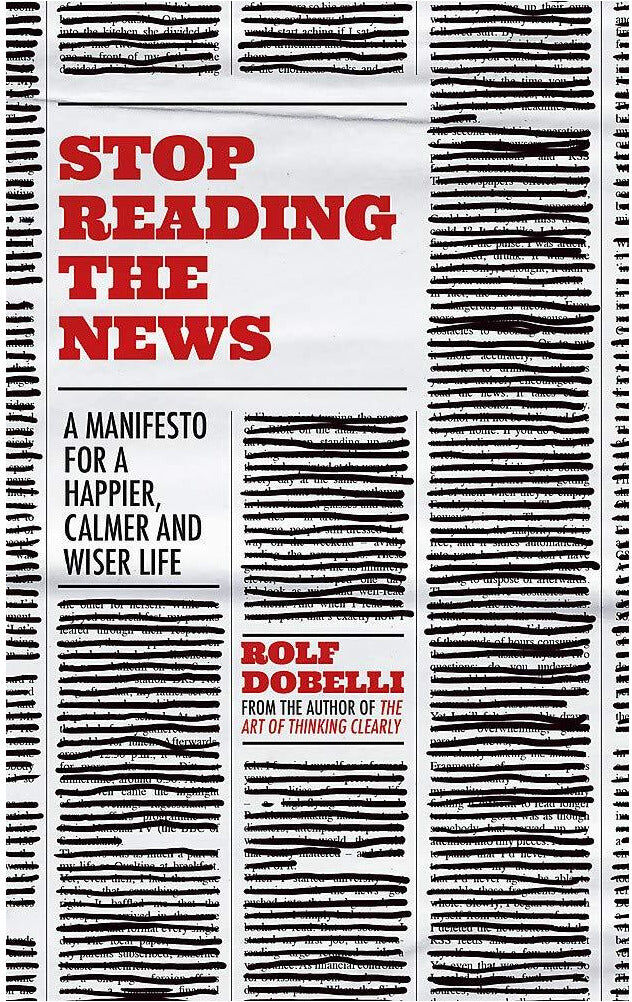
Sceptre Stop Reading the News: A Manifesto for a Happier, Calmer and Wiser Life by Rolf DobelliIn 2013 Rolf Dobelli stood in front of a roomful of journalists and proclaimed that he did not read the news. It caused a riot. Now the author of the bestselling The Art of Thinking Clearly finally sets down his philosophy in detail. And he practises what he preaches: he hasn't read the news for a decade. Stop Reading the News is Dobelli's manifesto about the dangers of the most toxic form of information - news. He shows the damage it does to our concentration and well-being, and how a misplaced sense of duty can misdirect our behaviour. Most importantly, he offers the reader the guidance on how to live without news, and the many potential gains to be had: less disruption, more time, less anxiety, more insights. In a world of increasing disruption and division, Stop Reading the News is a welcome voice of calm and wisdom.4,49 £*Shipping: 1,99 £Secure redirect to the provider
-
Why does the war in Ukraine lead to famine in Yemen?
The war in Ukraine has led to a decrease in global food supplies, which has resulted in higher food prices worldwide. This increase in food prices has particularly affected countries like Yemen, which is already experiencing a severe humanitarian crisis and food insecurity. The higher food prices make it even more difficult for people in Yemen to access and afford basic necessities, leading to an increased risk of famine. Additionally, the war in Ukraine has disrupted global trade and supply chains, further exacerbating the food crisis in Yemen. **
-
Why do many people react aggressively regarding the famine in Somalia?
Many people react aggressively to the famine in Somalia because they are deeply saddened and frustrated by the suffering and loss of life that it causes. The situation in Somalia is often exacerbated by political instability, corruption, and conflict, which can lead to a sense of helplessness and anger among those who want to help but feel unable to do so. Additionally, the slow response and lack of effective intervention by governments and international organizations can also contribute to people's frustration and anger. Overall, the severity of the crisis and the perceived lack of action to address it can lead to strong emotional reactions from many people. **
-
Why can't religion combat famine, even though religions are always donating and charitable?
Religion, through its charitable efforts, can certainly provide immediate relief to those affected by famine. However, the root causes of famine are often complex and require long-term solutions that go beyond the scope of religious charity. Famine is often the result of systemic issues such as poverty, political instability, and environmental factors, which require coordinated efforts from governments, international organizations, and communities. While religion can play a role in raising awareness and advocating for change, it alone cannot address the underlying structural issues that lead to famine. **
-
Why does the state of Madagascar not take any action against the famine?
The state of Madagascar may not be taking action against the famine due to a lack of resources and infrastructure to address the crisis effectively. Political instability and corruption within the government could also be hindering efforts to provide aid to those in need. Additionally, competing priorities and limited international assistance may be contributing to the lack of action taken by the state to address the famine in Madagascar. **
* All prices are inclusive of VAT and, if applicable, plus shipping costs. The offer information is based on the details provided by the respective shop and is updated through automated processes. Real-time updates do not occur, so deviations can occur in individual cases. ** Note: Parts of this content were created by AI.