Buy norrbottensmedia.eu ?
We are moving the project
norrbottensmedia.eu .
Are you interested in purchasing the domain
norrbottensmedia.eu ?
domain@kv-gmbh.de · 0541-91531010
Buy norrbottensmedia.eu ?
What type of antenna is used: a traditional antenna, a fin antenna, or no antenna at all?
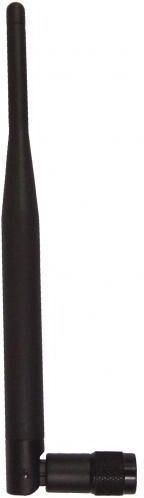
The type of antenna used can vary depending on the specific application and design of the device. Traditional antennas, such as dipole or monopole antennas, are commonly used for general wireless communication applications. Fin antennas, also known as shark fin antennas, are often used in automotive applications for GPS, cellular, and other wireless communication systems. Some devices may not have a visible external antenna at all, as the antenna may be integrated into the device's housing or printed onto the circuit board. Ultimately, the choice of antenna type depends on the specific requirements and constraints of the device and its intended use. **
Which type of antenna is suitable for aviation radio communication?
The most suitable type of antenna for aviation radio communication is a VHF (Very High Frequency) antenna. VHF frequencies are commonly used for air-to-ground and air-to-air communication in the aviation industry. These antennas are designed to efficiently transmit and receive VHF signals, providing clear and reliable communication between aircraft and air traffic control. Additionally, VHF antennas are typically designed to be aerodynamic and durable to withstand the harsh conditions of aviation environments. **


Similar search terms for Antenna
Top-Angebote
Products related to Antenna:



-
'How do I install a directional antenna for wireless communication?'
To install a directional antenna for wireless communication, first, identify the location where you want to install the antenna and ensure it has a clear line of sight to the target location. Then, mount the antenna securely using a mounting bracket or pole. Next, connect the antenna to the wireless device using a coaxial cable and ensure it is properly grounded. Finally, adjust the direction and angle of the antenna to maximize signal strength and minimize interference. It's also important to consult the antenna's user manual for specific installation instructions. **
-
Does an antenna amplifier help if my car antenna is not an electronic antenna?
No, an antenna amplifier will not help if your car antenna is not an electronic antenna. Antenna amplifiers are designed to boost the signal strength of electronic antennas, such as those used for digital TV or radio reception. If your car antenna is a traditional, non-electronic antenna, an amplifier will not improve its performance as it is not designed to work with this type of antenna. **
-
Does an antenna amplifier help if my car antenna does not have an electronic antenna?
No, an antenna amplifier will not help if your car antenna does not have an electronic component. Antenna amplifiers are designed to boost weak signals received by electronic antennas, so without an electronic antenna to amplify the signal from, the amplifier will not be effective. In this case, it would be more beneficial to consider upgrading to a different type of antenna that is better suited for your needs. **
-
Is the antenna on my WLAN router a dipole antenna?
Yes, the antenna on your WLAN router is likely a dipole antenna. Dipole antennas are commonly used in WLAN routers because they are simple, cost-effective, and provide good omnidirectional coverage. They consist of two metal rods or wires that are oriented perpendicular to each other, which helps in transmitting and receiving radio waves efficiently. **


How is the antenna cable broken in the antenna socket?
The antenna cable can be broken in the antenna socket due to wear and tear over time, improper installation, or physical damage. If the cable is bent at a sharp angle or pulled too tightly, it can cause the internal wires to break. Additionally, if the antenna socket is not securely attached or if there is excessive movement or vibration, it can lead to the cable breaking inside the socket. It is important to handle the antenna cable carefully and ensure proper installation to prevent damage. **
Do you have to pay broadcasting fees (GEZ) despite having a communal antenna?
Yes, in Germany, individuals are required to pay broadcasting fees (GEZ) regardless of whether they have a communal antenna. The GEZ fee is a mandatory contribution to fund public broadcasting services, and it is not dependent on the type of antenna or reception equipment a household uses. Therefore, even if a communal antenna is used, residents are still required to pay the GEZ fee. **
Top-Angebote
Products related to Antenna:
-
What type of antenna is used: a traditional antenna, a fin antenna, or no antenna at all?
The type of antenna used can vary depending on the specific application and design of the device. Traditional antennas, such as dipole or monopole antennas, are commonly used for general wireless communication applications. Fin antennas, also known as shark fin antennas, are often used in automotive applications for GPS, cellular, and other wireless communication systems. Some devices may not have a visible external antenna at all, as the antenna may be integrated into the device's housing or printed onto the circuit board. Ultimately, the choice of antenna type depends on the specific requirements and constraints of the device and its intended use. **
-
Which type of antenna is suitable for aviation radio communication?
The most suitable type of antenna for aviation radio communication is a VHF (Very High Frequency) antenna. VHF frequencies are commonly used for air-to-ground and air-to-air communication in the aviation industry. These antennas are designed to efficiently transmit and receive VHF signals, providing clear and reliable communication between aircraft and air traffic control. Additionally, VHF antennas are typically designed to be aerodynamic and durable to withstand the harsh conditions of aviation environments. **
-
'How do I install a directional antenna for wireless communication?'
To install a directional antenna for wireless communication, first, identify the location where you want to install the antenna and ensure it has a clear line of sight to the target location. Then, mount the antenna securely using a mounting bracket or pole. Next, connect the antenna to the wireless device using a coaxial cable and ensure it is properly grounded. Finally, adjust the direction and angle of the antenna to maximize signal strength and minimize interference. It's also important to consult the antenna's user manual for specific installation instructions. **
-
Does an antenna amplifier help if my car antenna is not an electronic antenna?
No, an antenna amplifier will not help if your car antenna is not an electronic antenna. Antenna amplifiers are designed to boost the signal strength of electronic antennas, such as those used for digital TV or radio reception. If your car antenna is a traditional, non-electronic antenna, an amplifier will not improve its performance as it is not designed to work with this type of antenna. **
Similar search terms for Antenna
-
Ubiquiti airMAX RD-5G30-LW 5GHz Rocket Dish 30dBi Lightweight AntennaUbiquiti airMAX Rocket Dish RD-5G30-LW lightweight directional dish antenna for 5 GHz point-to-point links. 30 dBi gain, 5.1–5.9 GHz frequency range, 650 mm dish, white. Designed to pair with Ubiquiti Rocket radios.189,49 £*Shipping: 0,00 £Secure redirect to the provider
-
Does an antenna amplifier help if my car antenna does not have an electronic antenna?
No, an antenna amplifier will not help if your car antenna does not have an electronic component. Antenna amplifiers are designed to boost weak signals received by electronic antennas, so without an electronic antenna to amplify the signal from, the amplifier will not be effective. In this case, it would be more beneficial to consider upgrading to a different type of antenna that is better suited for your needs. **
-
Is the antenna on my WLAN router a dipole antenna?
Yes, the antenna on your WLAN router is likely a dipole antenna. Dipole antennas are commonly used in WLAN routers because they are simple, cost-effective, and provide good omnidirectional coverage. They consist of two metal rods or wires that are oriented perpendicular to each other, which helps in transmitting and receiving radio waves efficiently. **
-
How is the antenna cable broken in the antenna socket?
The antenna cable can be broken in the antenna socket due to wear and tear over time, improper installation, or physical damage. If the cable is bent at a sharp angle or pulled too tightly, it can cause the internal wires to break. Additionally, if the antenna socket is not securely attached or if there is excessive movement or vibration, it can lead to the cable breaking inside the socket. It is important to handle the antenna cable carefully and ensure proper installation to prevent damage. **
-
Do you have to pay broadcasting fees (GEZ) despite having a communal antenna?
Yes, in Germany, individuals are required to pay broadcasting fees (GEZ) regardless of whether they have a communal antenna. The GEZ fee is a mandatory contribution to fund public broadcasting services, and it is not dependent on the type of antenna or reception equipment a household uses. Therefore, even if a communal antenna is used, residents are still required to pay the GEZ fee. **
* All prices are inclusive of VAT and, if applicable, plus shipping costs. The offer information is based on the details provided by the respective shop and is updated through automated processes. Real-time updates do not occur, so deviations can occur in individual cases. ** Note: Parts of this content were created by AI.