Buy norrbottensmedia.eu ?
We are moving the project
norrbottensmedia.eu .
Are you interested in purchasing the domain
norrbottensmedia.eu ?
domain@kv-gmbh.de · 0541-91531010
Buy norrbottensmedia.eu ?
How do the media manipulate?
The media can manipulate by selectively choosing which stories to cover, how to frame those stories, and which sources to include. They can also use sensationalism, exaggeration, and emotional language to sway public opinion. Additionally, the media can manipulate by omitting important information or presenting biased viewpoints. Overall, the media's power to shape public perception and influence attitudes can be used to manipulate the narrative in a way that serves their own interests or the interests of those in power. **
How do social media manipulate us?
Social media manipulate us through various tactics such as algorithms that prioritize content based on our preferences, creating echo chambers that reinforce our beliefs, and using targeted advertising to influence our purchasing decisions. Additionally, the constant stream of notifications and addictive design features keep us hooked and encourage excessive use. Social media platforms also collect and analyze our data to personalize our experience, making it harder to resist their influence. **


Similar search terms for Manipulate
Top-Angebote
Products related to Manipulate:
-
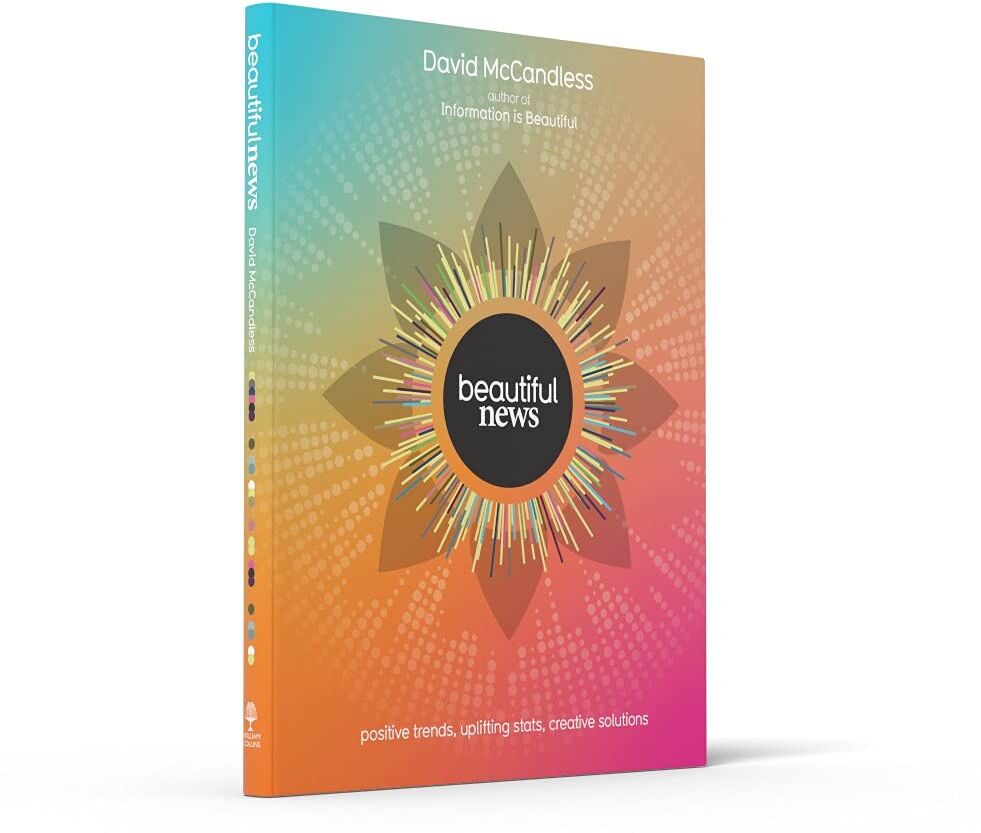
William Collins Beautiful News: Positive Trends, Uplifting Stats, Creative Solutions by David McCandlessIn this fascinating follow-up to the bestselling Information is Beautiful and Knowledge is Beautiful, the king of infographics David McCandless uses spectacular visuals to give us all a bit of good news. We are living in the Information Age, in which we are constantly bombarded with data – on television, in print and online. How can we relate to this mind-numbing overload? Enter David McCandless and his amazing infographics: simple, elegant ways to understand information too complex or abstract to grasp any way but visually. In his unique signature style, he creates dazzling displays that blend facts with their connections, contexts and relationships, making information meaningful, entertaining – and beautiful. In his highly anticipated third book, McCandless illustrates positive news from around the world, for an informative, engaging and uplifting collection of new infographic art.5,99 £*Shipping: 2,99 £Secure redirect to the provider


-
Why is it often so easy to manipulate news?
It is often easy to manipulate news because of the prevalence of biased sources, the speed at which information spreads through social media, and the public's tendency to consume news that aligns with their existing beliefs. Additionally, the rise of clickbait headlines and sensationalized stories has made it easier for false information to be spread as legitimate news. Finally, the lack of media literacy and critical thinking skills among the general population makes it easier for manipulative tactics to be effective in shaping public opinion. **
-
Why is it usually so easy to manipulate news?
It is usually easy to manipulate news because of the prevalence of biased sources, misinformation, and the rapid spread of information through social media. News outlets may have their own agendas or be influenced by external factors, leading to the dissemination of inaccurate or misleading information. Additionally, the public's tendency to consume news that aligns with their existing beliefs or biases can make it easier for manipulative news to gain traction. Finally, the speed at which news spreads online can make it difficult to fact-check and verify information before it is widely shared. **
-
To what extent do social media manipulate us?
Social media platforms have algorithms that are designed to keep users engaged and on the platform for as long as possible. These algorithms use our data and behaviors to show us content that is more likely to grab our attention, sometimes leading to a distorted view of reality. Additionally, the constant stream of information and notifications can create a sense of FOMO (fear of missing out) and impact our mental health. While social media can manipulate our behaviors and perceptions to some extent, ultimately, we have the power to control our usage and be mindful of the content we consume. **
-
How can one manipulate?
Manipulation involves using tactics such as deception, coercion, or emotional influence to control or influence someone else's thoughts, feelings, or actions. One can manipulate by exploiting vulnerabilities, playing on emotions, or using persuasive language to sway opinions. It is important to note that manipulation is often unethical and can harm relationships and trust. It is crucial to communicate openly and honestly with others rather than resorting to manipulation. **
How do teachers manipulate?
Teachers manipulate by using various strategies to influence students' behavior, thoughts, and emotions. This can include using positive reinforcement, such as praise or rewards, to encourage desired behaviors, or negative consequences, such as reprimands or loss of privileges, to discourage unwanted behaviors. Teachers may also use persuasive language, body language, or other forms of communication to sway students' opinions or beliefs. Overall, manipulation by teachers can be both positive, in the sense of guiding students towards success, or negative, if used to control or deceive students. **
Does advertising manipulate us?
Advertising has the power to influence our perceptions and behaviors by appealing to our emotions and desires. It often presents products and services in a way that makes them seem essential or desirable, sometimes creating a sense of urgency or fear of missing out. While advertising may not directly control our actions, it can certainly shape our preferences and decision-making processes. Ultimately, it is up to individuals to critically evaluate the messages they receive from advertising and make informed choices. **
Top-Angebote
Products related to Manipulate:
-
Juggernaut Publication Do Epic Shit by Ankur WarikooAnkur Warikoo is an entrepreneur and content creator whose deep, witty and brutally honest thoughts on success and failure, money and investing, self-awareness and personal relationships have made him one of India’s top personal brands. In his first book, Ankur puts together the key ideas that have fuelled his journey – one that began with him wanting to be a space engineer and ended with him creating content that has been seen and read by millions. His thoughts range from the importance of creating habits for long-term success to the foundations of money management, from embracing and accepting failure to the real truth about learning empathy. This is a book to be read, and reread, a book whose lines you will underline and think about again and again, a book you will give your family and friends and strangers. Ankur hopes for this book to become the most gifted book ever!9,99 £*Shipping: 2,99 £Secure redirect to the provider
-
Juggernaut Publication Get Epic Shit Done by Ankur WarikooDO EPIC SHIT made you think. GET EPIC SHIT DONE will make you act! When he was a college student, Ankur bought a book containing answers to the last 10 years’ question papers. That book helped him prepare for the forthcoming exams. In his second book, he attempts to create the same book for life. Written as a conversation between a student and a teacher, GET EPIC SHIT DONE answers 36 life questions that you face almost everyday, questions that you need answers to. GET EPIC SHIT DONE isn’t just a book that will inspire you – it will visibly improve the way you live.13,99 £*Shipping: 2,99 £Secure redirect to the provider
-
William Collins Beautiful News: Positive Trends, Uplifting Stats, Creative Solutions by David McCandlessIn this fascinating follow-up to the bestselling Information is Beautiful and Knowledge is Beautiful, the king of infographics David McCandless uses spectacular visuals to give us all a bit of good news. We are living in the Information Age, in which we are constantly bombarded with data – on television, in print and online. How can we relate to this mind-numbing overload? Enter David McCandless and his amazing infographics: simple, elegant ways to understand information too complex or abstract to grasp any way but visually. In his unique signature style, he creates dazzling displays that blend facts with their connections, contexts and relationships, making information meaningful, entertaining – and beautiful. In his highly anticipated third book, McCandless illustrates positive news from around the world, for an informative, engaging and uplifting collection of new infographic art.5,99 £*Shipping: 2,99 £Secure redirect to the provider
-
How do the media manipulate?
The media can manipulate by selectively choosing which stories to cover, how to frame those stories, and which sources to include. They can also use sensationalism, exaggeration, and emotional language to sway public opinion. Additionally, the media can manipulate by omitting important information or presenting biased viewpoints. Overall, the media's power to shape public perception and influence attitudes can be used to manipulate the narrative in a way that serves their own interests or the interests of those in power. **
-
How do social media manipulate us?
Social media manipulate us through various tactics such as algorithms that prioritize content based on our preferences, creating echo chambers that reinforce our beliefs, and using targeted advertising to influence our purchasing decisions. Additionally, the constant stream of notifications and addictive design features keep us hooked and encourage excessive use. Social media platforms also collect and analyze our data to personalize our experience, making it harder to resist their influence. **
-
Why is it often so easy to manipulate news?
It is often easy to manipulate news because of the prevalence of biased sources, the speed at which information spreads through social media, and the public's tendency to consume news that aligns with their existing beliefs. Additionally, the rise of clickbait headlines and sensationalized stories has made it easier for false information to be spread as legitimate news. Finally, the lack of media literacy and critical thinking skills among the general population makes it easier for manipulative tactics to be effective in shaping public opinion. **
-
Why is it usually so easy to manipulate news?
It is usually easy to manipulate news because of the prevalence of biased sources, misinformation, and the rapid spread of information through social media. News outlets may have their own agendas or be influenced by external factors, leading to the dissemination of inaccurate or misleading information. Additionally, the public's tendency to consume news that aligns with their existing beliefs or biases can make it easier for manipulative news to gain traction. Finally, the speed at which news spreads online can make it difficult to fact-check and verify information before it is widely shared. **
Similar search terms for Manipulate
-
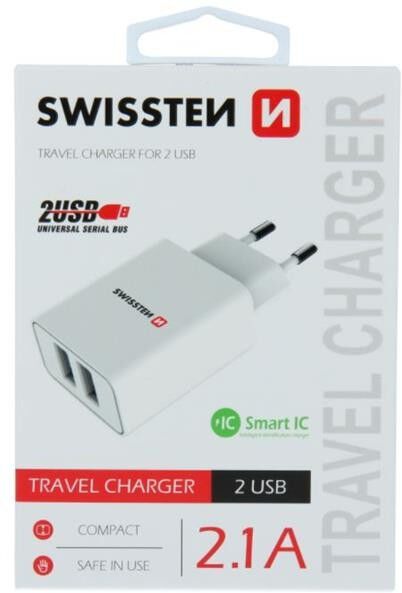
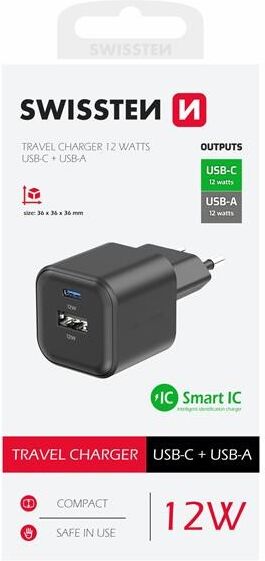
SWISSTEN 22071510 Charger Device, mobile communicationPlug Type: Schuko; Connectors/Plugs: USB type-C, USB; Charge Mode: GaN, PD; Overcharging protection: Yes; Overheating protection: Yes; Short Circuit Protection: Yes; Colour: black; Number of inlets/outlets: 2; Power [W]: 128,29 £*Shipping: 8,45 £Secure redirect to the provider
-
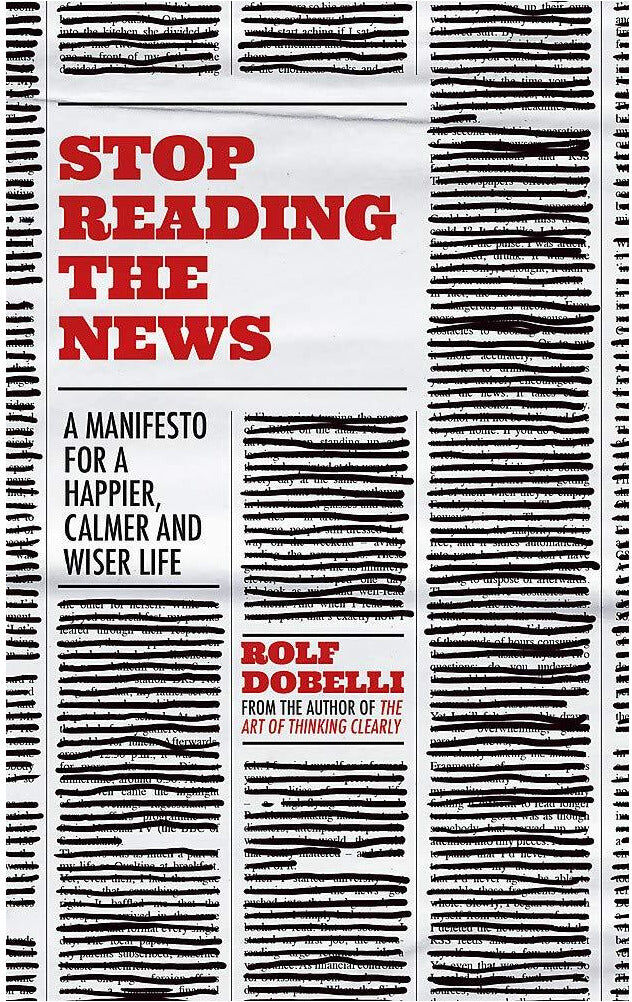
Sceptre Stop Reading the News: A Manifesto for a Happier, Calmer and Wiser Life by Rolf DobelliIn 2013 Rolf Dobelli stood in front of a roomful of journalists and proclaimed that he did not read the news. It caused a riot. Now the author of the bestselling The Art of Thinking Clearly finally sets down his philosophy in detail. And he practises what he preaches: he hasn't read the news for a decade. Stop Reading the News is Dobelli's manifesto about the dangers of the most toxic form of information - news. He shows the damage it does to our concentration and well-being, and how a misplaced sense of duty can misdirect our behaviour. Most importantly, he offers the reader the guidance on how to live without news, and the many potential gains to be had: less disruption, more time, less anxiety, more insights. In a world of increasing disruption and division, Stop Reading the News is a welcome voice of calm and wisdom.4,49 £*Shipping: 1,99 £Secure redirect to the provider
-
To what extent do social media manipulate us?
Social media platforms have algorithms that are designed to keep users engaged and on the platform for as long as possible. These algorithms use our data and behaviors to show us content that is more likely to grab our attention, sometimes leading to a distorted view of reality. Additionally, the constant stream of information and notifications can create a sense of FOMO (fear of missing out) and impact our mental health. While social media can manipulate our behaviors and perceptions to some extent, ultimately, we have the power to control our usage and be mindful of the content we consume. **
-
How can one manipulate?
Manipulation involves using tactics such as deception, coercion, or emotional influence to control or influence someone else's thoughts, feelings, or actions. One can manipulate by exploiting vulnerabilities, playing on emotions, or using persuasive language to sway opinions. It is important to note that manipulation is often unethical and can harm relationships and trust. It is crucial to communicate openly and honestly with others rather than resorting to manipulation. **
-
How do teachers manipulate?
Teachers manipulate by using various strategies to influence students' behavior, thoughts, and emotions. This can include using positive reinforcement, such as praise or rewards, to encourage desired behaviors, or negative consequences, such as reprimands or loss of privileges, to discourage unwanted behaviors. Teachers may also use persuasive language, body language, or other forms of communication to sway students' opinions or beliefs. Overall, manipulation by teachers can be both positive, in the sense of guiding students towards success, or negative, if used to control or deceive students. **
-
Does advertising manipulate us?
Advertising has the power to influence our perceptions and behaviors by appealing to our emotions and desires. It often presents products and services in a way that makes them seem essential or desirable, sometimes creating a sense of urgency or fear of missing out. While advertising may not directly control our actions, it can certainly shape our preferences and decision-making processes. Ultimately, it is up to individuals to critically evaluate the messages they receive from advertising and make informed choices. **
* All prices are inclusive of VAT and, if applicable, plus shipping costs. The offer information is based on the details provided by the respective shop and is updated through automated processes. Real-time updates do not occur, so deviations can occur in individual cases. ** Note: Parts of this content were created by AI.