Buy norrbottensmedia.eu ?
We are moving the project
norrbottensmedia.eu .
Are you interested in purchasing the domain
norrbottensmedia.eu ?
domain@kv-gmbh.de · 0541-91531010
Buy norrbottensmedia.eu ?
What is the difference between fake news and spreading beliefs?
Fake news refers to intentionally false or misleading information presented as news, often for the purpose of deceiving or manipulating the audience. Spreading beliefs, on the other hand, involves sharing one's personal or cultural beliefs with others, often with the intention of expressing one's values or worldview. While fake news is deliberately deceptive and aims to misinform, spreading beliefs is a natural part of human communication and can be a way of expressing one's identity and connecting with others who share similar beliefs. It's important to critically evaluate information and consider the source when encountering news or beliefs. **
Are moral beliefs overrated?
Moral beliefs are not overrated as they form the foundation of our ethical decision-making and guide our behavior towards others. They help us distinguish between right and wrong, and shape our interactions with society. Without moral beliefs, there would be chaos and confusion in our relationships and communities. Therefore, it is important to uphold and respect moral beliefs in order to maintain a harmonious and just society. **

Similar search terms for Beliefs
Top-Angebote
Products related to Beliefs:
-
Juggernaut Publication Get Epic Shit Done by Ankur WarikooDO EPIC SHIT made you think. GET EPIC SHIT DONE will make you act! When he was a college student, Ankur bought a book containing answers to the last 10 years’ question papers. That book helped him prepare for the forthcoming exams. In his second book, he attempts to create the same book for life. Written as a conversation between a student and a teacher, GET EPIC SHIT DONE answers 36 life questions that you face almost everyday, questions that you need answers to. GET EPIC SHIT DONE isn’t just a book that will inspire you – it will visibly improve the way you live.13,99 £*Shipping: 2,99 £Secure redirect to the provider
-
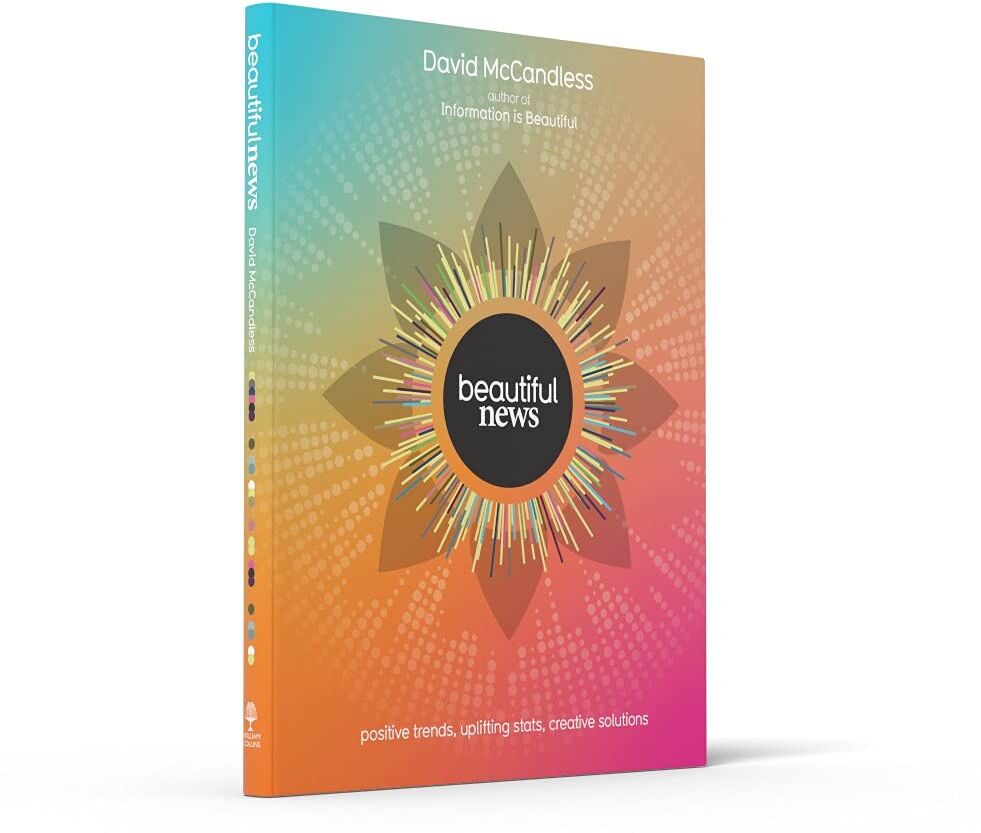
William Collins Beautiful News: Positive Trends, Uplifting Stats, Creative Solutions by David McCandlessIn this fascinating follow-up to the bestselling Information is Beautiful and Knowledge is Beautiful, the king of infographics David McCandless uses spectacular visuals to give us all a bit of good news. We are living in the Information Age, in which we are constantly bombarded with data – on television, in print and online. How can we relate to this mind-numbing overload? Enter David McCandless and his amazing infographics: simple, elegant ways to understand information too complex or abstract to grasp any way but visually. In his unique signature style, he creates dazzling displays that blend facts with their connections, contexts and relationships, making information meaningful, entertaining – and beautiful. In his highly anticipated third book, McCandless illustrates positive news from around the world, for an informative, engaging and uplifting collection of new infographic art.5,99 £*Shipping: 2,99 £Secure redirect to the provider



-
Are religious beliefs irrational?
Religious beliefs are not necessarily irrational. While they may not be based on empirical evidence or scientific proof, they are often deeply rooted in personal experiences, cultural traditions, and moral values. Many people find meaning, purpose, and comfort in their religious beliefs, and these beliefs can provide a framework for understanding the world and guiding ethical behavior. Ultimately, whether religious beliefs are considered rational or not may depend on one's perspective and the criteria used to evaluate rationality. **
-
What makes esoteric beliefs dangerous?
Esoteric beliefs can be dangerous because they often lack empirical evidence or scientific basis, leading followers to reject established facts and knowledge. This can result in individuals making decisions based on misinformation or pseudoscience, which can have harmful consequences for themselves and others. Additionally, esoteric beliefs can sometimes promote extremist ideologies or encourage followers to engage in risky behaviors, further increasing the potential for harm. Overall, the danger lies in the potential for esoteric beliefs to lead individuals away from rational thinking and towards actions that are not grounded in reality. **
-
Can religious beliefs be deterministic?
Religious beliefs can sometimes be deterministic in the sense that they provide a framework for understanding the world and one's place in it. Some religions teach that certain events are predestined or guided by a higher power, which can influence individuals to believe that their lives are predetermined. However, not all religious beliefs are deterministic, as some emphasize free will and personal choice. Ultimately, the extent to which religious beliefs are deterministic varies depending on the specific teachings and interpretations of each religion. **
-
Can one have different beliefs?
Yes, it is possible for individuals to have different beliefs. People come from diverse backgrounds, experiences, and perspectives which shape their beliefs. It is important to respect and acknowledge that individuals may hold different beliefs than our own, as it is a natural part of human diversity. Engaging in open-minded discussions and being willing to learn from others can help foster understanding and acceptance of differing beliefs. **


How are Christian beliefs defined?
Christian beliefs are defined by the core tenets of the Christian faith, including the belief in the existence of one God, the divinity of Jesus Christ, the concept of salvation through faith in Jesus, and the authority of the Bible as the word of God. These beliefs are often expressed in creeds, such as the Nicene Creed or the Apostles' Creed, which outline the fundamental doctrines of Christianity. Additionally, Christian beliefs may vary among different denominations and traditions, but these core principles are generally accepted across the majority of Christian communities. **
Can't one respect others' beliefs?
Yes, it is possible to respect others' beliefs. Respecting others' beliefs means acknowledging and accepting that people have different perspectives and values. It involves being open-minded, tolerant, and understanding towards others, even if their beliefs differ from our own. Respecting others' beliefs can help promote harmony, empathy, and mutual understanding in diverse communities. **
Top-Angebote
Products related to Beliefs:
-
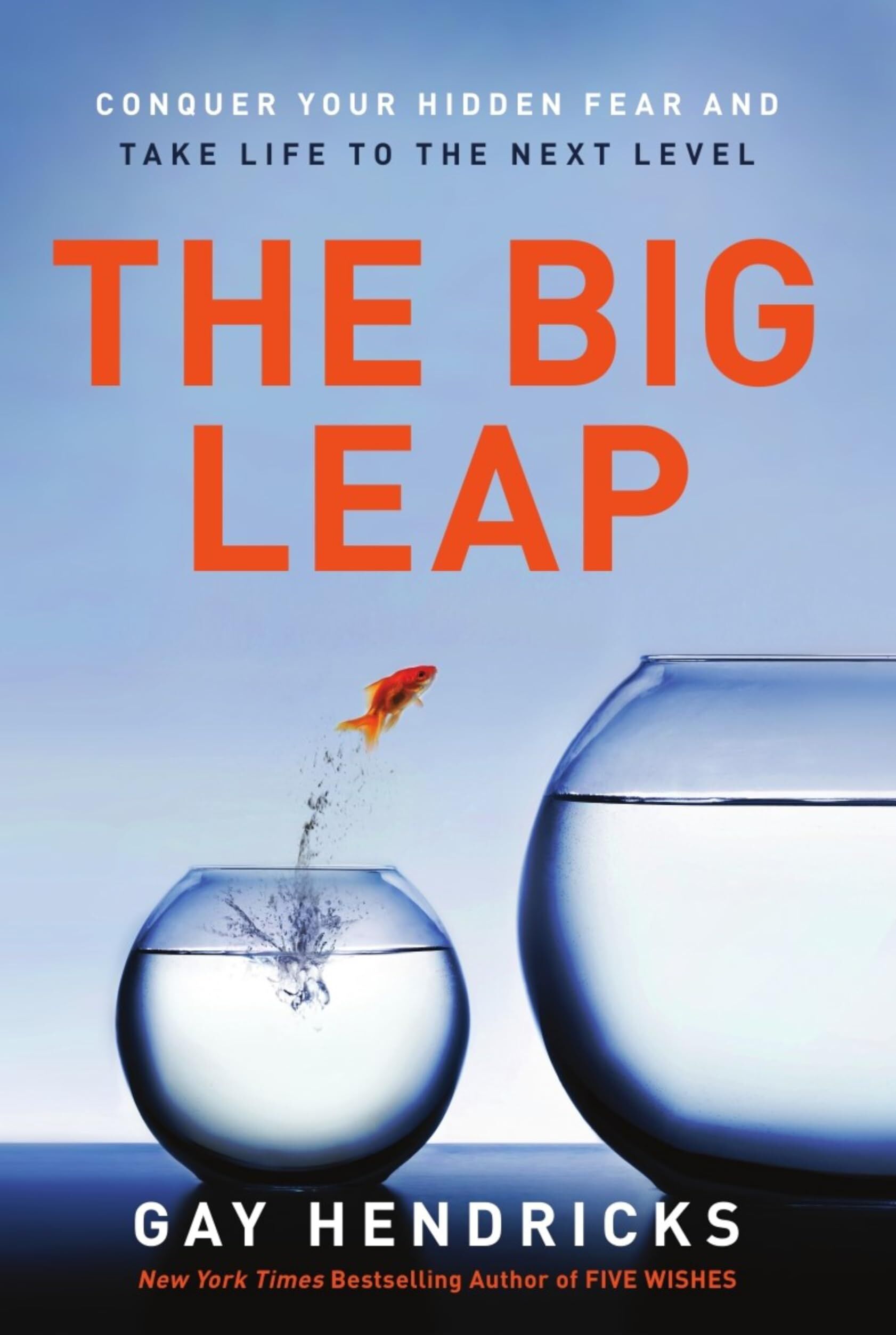
HarperOne The Big Leap: Conquer Your Hidden Fear and Take Life to the Next Level - A Transformative Guide to Overcoming Fears and False Beliefs for Personal GroWith over 100,000 copies sold, New York Times bestselling author Gay Hendricks demonstrates how to conquer your hidden Upper Limit Problem, go beyond your internal limits, release outdated fears and learn a whole new set of powerful skills and habits to liberate your authentic greatness. Fans of Wayne Dyer, Eckhart Tolle, Marianne Williamson, and Gabrielle Bernstein will discover the way to break down the walls to a better life and step into their Zone of Genius.The solution is to identify and dismantle the hidden barriers that hold you back. Conquer Your Hidden Fear: Discover the Upper Limit Problem, the universal human tendency to sabotage ourselves when we achieve new levels of success. Identify Limiting Beliefs: Uncover the four hidden barriers―such as a deep-seated feeling of being fundamentally flawed―that create a glass ceiling on your happiness and earnings. Cultivate Success Habits: Learn to use the Ultimate Success Mantra to expand your capacity for joy, abundance, and love on a daily basis. Live in Your Genius: Move beyond your Zone of Excellence to find and fully express your unique gifts, transforming work into a source of energy and satisfaction.5,99 £*Shipping: 2,99 £Secure redirect to the provider
-
Juggernaut Publication Do Epic Shit by Ankur WarikooAnkur Warikoo is an entrepreneur and content creator whose deep, witty and brutally honest thoughts on success and failure, money and investing, self-awareness and personal relationships have made him one of India’s top personal brands. In his first book, Ankur puts together the key ideas that have fuelled his journey – one that began with him wanting to be a space engineer and ended with him creating content that has been seen and read by millions. His thoughts range from the importance of creating habits for long-term success to the foundations of money management, from embracing and accepting failure to the real truth about learning empathy. This is a book to be read, and reread, a book whose lines you will underline and think about again and again, a book you will give your family and friends and strangers. Ankur hopes for this book to become the most gifted book ever!9,99 £*Shipping: 2,99 £Secure redirect to the provider
-
Juggernaut Publication Get Epic Shit Done by Ankur WarikooDO EPIC SHIT made you think. GET EPIC SHIT DONE will make you act! When he was a college student, Ankur bought a book containing answers to the last 10 years’ question papers. That book helped him prepare for the forthcoming exams. In his second book, he attempts to create the same book for life. Written as a conversation between a student and a teacher, GET EPIC SHIT DONE answers 36 life questions that you face almost everyday, questions that you need answers to. GET EPIC SHIT DONE isn’t just a book that will inspire you – it will visibly improve the way you live.13,99 £*Shipping: 2,99 £Secure redirect to the provider
-
William Collins Beautiful News: Positive Trends, Uplifting Stats, Creative Solutions by David McCandlessIn this fascinating follow-up to the bestselling Information is Beautiful and Knowledge is Beautiful, the king of infographics David McCandless uses spectacular visuals to give us all a bit of good news. We are living in the Information Age, in which we are constantly bombarded with data – on television, in print and online. How can we relate to this mind-numbing overload? Enter David McCandless and his amazing infographics: simple, elegant ways to understand information too complex or abstract to grasp any way but visually. In his unique signature style, he creates dazzling displays that blend facts with their connections, contexts and relationships, making information meaningful, entertaining – and beautiful. In his highly anticipated third book, McCandless illustrates positive news from around the world, for an informative, engaging and uplifting collection of new infographic art.5,99 £*Shipping: 2,99 £Secure redirect to the provider
-
What is the difference between fake news and spreading beliefs?
Fake news refers to intentionally false or misleading information presented as news, often for the purpose of deceiving or manipulating the audience. Spreading beliefs, on the other hand, involves sharing one's personal or cultural beliefs with others, often with the intention of expressing one's values or worldview. While fake news is deliberately deceptive and aims to misinform, spreading beliefs is a natural part of human communication and can be a way of expressing one's identity and connecting with others who share similar beliefs. It's important to critically evaluate information and consider the source when encountering news or beliefs. **
-
Are moral beliefs overrated?
Moral beliefs are not overrated as they form the foundation of our ethical decision-making and guide our behavior towards others. They help us distinguish between right and wrong, and shape our interactions with society. Without moral beliefs, there would be chaos and confusion in our relationships and communities. Therefore, it is important to uphold and respect moral beliefs in order to maintain a harmonious and just society. **
-
Are religious beliefs irrational?
Religious beliefs are not necessarily irrational. While they may not be based on empirical evidence or scientific proof, they are often deeply rooted in personal experiences, cultural traditions, and moral values. Many people find meaning, purpose, and comfort in their religious beliefs, and these beliefs can provide a framework for understanding the world and guiding ethical behavior. Ultimately, whether religious beliefs are considered rational or not may depend on one's perspective and the criteria used to evaluate rationality. **
-
What makes esoteric beliefs dangerous?
Esoteric beliefs can be dangerous because they often lack empirical evidence or scientific basis, leading followers to reject established facts and knowledge. This can result in individuals making decisions based on misinformation or pseudoscience, which can have harmful consequences for themselves and others. Additionally, esoteric beliefs can sometimes promote extremist ideologies or encourage followers to engage in risky behaviors, further increasing the potential for harm. Overall, the danger lies in the potential for esoteric beliefs to lead individuals away from rational thinking and towards actions that are not grounded in reality. **
Similar search terms for Beliefs
-
SWISSTEN 22071510 Charger Device, mobile communicationPlug Type: Schuko; Connectors/Plugs: USB type-C, USB; Charge Mode: GaN, PD; Overcharging protection: Yes; Overheating protection: Yes; Short Circuit Protection: Yes; Colour: black; Number of inlets/outlets: 2; Power [W]: 127,59 £*Shipping: 8,45 £Secure redirect to the provider
-
Can religious beliefs be deterministic?
Religious beliefs can sometimes be deterministic in the sense that they provide a framework for understanding the world and one's place in it. Some religions teach that certain events are predestined or guided by a higher power, which can influence individuals to believe that their lives are predetermined. However, not all religious beliefs are deterministic, as some emphasize free will and personal choice. Ultimately, the extent to which religious beliefs are deterministic varies depending on the specific teachings and interpretations of each religion. **
-
Can one have different beliefs?
Yes, it is possible for individuals to have different beliefs. People come from diverse backgrounds, experiences, and perspectives which shape their beliefs. It is important to respect and acknowledge that individuals may hold different beliefs than our own, as it is a natural part of human diversity. Engaging in open-minded discussions and being willing to learn from others can help foster understanding and acceptance of differing beliefs. **
-
How are Christian beliefs defined?
Christian beliefs are defined by the core tenets of the Christian faith, including the belief in the existence of one God, the divinity of Jesus Christ, the concept of salvation through faith in Jesus, and the authority of the Bible as the word of God. These beliefs are often expressed in creeds, such as the Nicene Creed or the Apostles' Creed, which outline the fundamental doctrines of Christianity. Additionally, Christian beliefs may vary among different denominations and traditions, but these core principles are generally accepted across the majority of Christian communities. **
-
Can't one respect others' beliefs?
Yes, it is possible to respect others' beliefs. Respecting others' beliefs means acknowledging and accepting that people have different perspectives and values. It involves being open-minded, tolerant, and understanding towards others, even if their beliefs differ from our own. Respecting others' beliefs can help promote harmony, empathy, and mutual understanding in diverse communities. **
* All prices are inclusive of VAT and, if applicable, plus shipping costs. The offer information is based on the details provided by the respective shop and is updated through automated processes. Real-time updates do not occur, so deviations can occur in individual cases. ** Note: Parts of this content were created by AI.